

Probably the first thing that pops into your mind when you think about fluency is speed, how quickly one can read. True, this is an aspect of fluency BUT it doesn’t fully describe what fluency is, and you can really hurt students overall if speed is the only thing you focus on when teaching fluency.. If you solely focus on speed, then students will likely get in the habit of not comprehending what they are reading, and they may even begin to HATE reading, which is a hard mindset to change. As parents or educators, we do NOT want to fall into this trap and in turn cause children to dislike reading. Therefore, it is important to focus on ALL of the aspects of fluency.
The three aspects of fluency are:
- Accuracy
- Making little to no errors while reading
- Reading Speed
- The rate at which a student reads. Often measured in WPM (words per minute)
- Prosody
- Reading aloud with proper intonation, phrasing and expression

Below are a few reasons why fluency matters, starting with comprehension, which is the end goal of reading.

Fluency is the bridge to comprehension. The ultimate goal of teaching reading is to help students understand and comprehend what they are reading. When faced with new words, students often take 5-30 seconds to sound out each word. If that is the case, the student is putting all of their thought and energy into sounding out each word. Therefore, the chance of them comprehending anything they just read is very slim. The student may remember 2 or 3 of the words they read, but most likely, they are not going to be able to comprehend the meaning of what they read.
Expression/prosody are also key components when it comes to comprehension. When a student reads with expression, it helps them comprehend what is written. The words come alive and feel more like a conversation or a podcast (depending on the content) and in turn, this will help them with comprehension.

Reading fluently is a major benefit to everybody, specifically in relation to future academics. Let’s put this thought into perspective with this example about Jane & Wendy who are high school students.
- Jane is an excellent reader and can read about 280 words per minute. Wendy is a decent reader and can read 150 words per minute. Both Jane and Wendy were assigned to read 2 chapters in their text book in their science class. Jane completed her reading assignment in about 1 hour, where Wendy spent 3 hours reading and was only able to complete 75% of the assigned reading before falling asleep.
- In this example, Wendy was perfectly capable of completing the reading assignment. She knew how to read the content, she simply didn’t have enough time to get it all done. Jane on the other hand hardly broke a sweat and completed the reading assignment in a fraction of the time. The crazy thing is that this wasn’t even for an ELA class, this was for science. Reading impacts ALL areas of learning. The short story is that the quicker you can read, the more you can learn, progress and grow. By teaching students how to be fluent readers, you are preparing them to be lifelong learners.

Once reading becomes less of a challenge or a chore, students will start to find the joy in reading. They begin to catch that thrill of reading new stories, or discovering interesting facts about dinosaurs or whatever else interests them. Students can gain this love of knowledge from listening to books, but they actually gain power to access this knowledge/entertainment whenever they desire once they become fluent readers.

There are so many fun and effective activities you can do with your students to help them become fluent readers. Check out some of my favorite activities below.

Planning repeated readings in the classroom can be very effective in increasing fluency. Students can gain confidence in the words they are reading because they have already read through it once. This helps them to be able to read more quickly. Students may dread repeated readings so it’s important to talk about why you are having them repeatedly read the same material over and over again. I suggest perhaps doing a mini lesson on repeated readings to discuss the importance of them towards the beginning of the year or prior to implementing repeated readings. A few resources to use for repeated readings are:
1. Decodable books
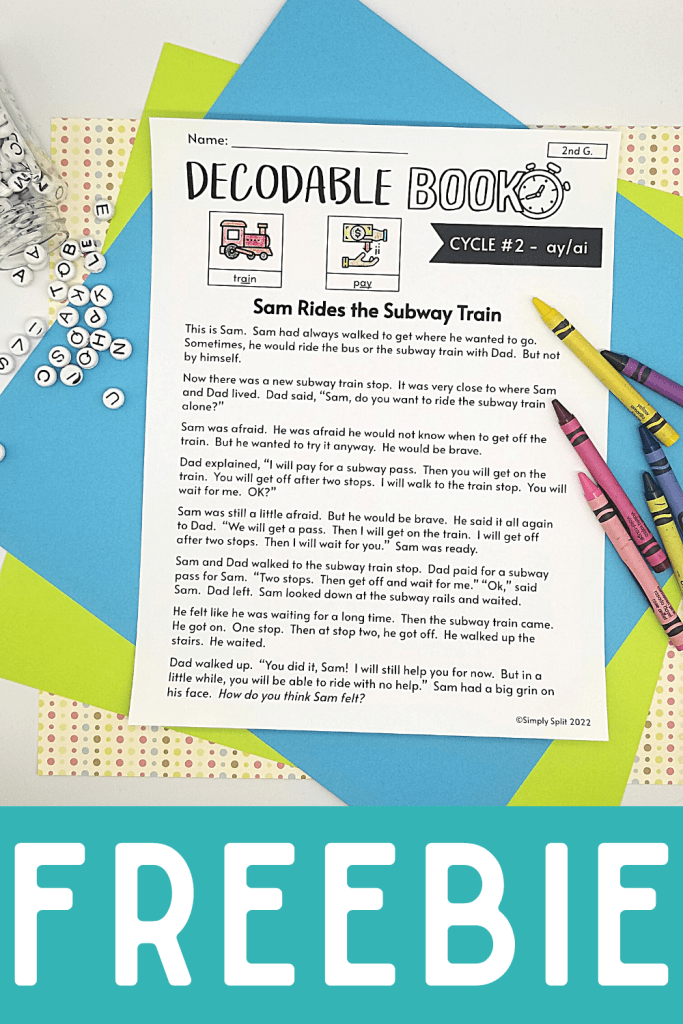
- Anyone that does even a little bit of research into the science of reading will find that decodable books are highly favored over leveled books. This is because it helps students to succeed in reading. When a student reads a decodable book, they encounter words that they can decode + some high frequency words. By focusing on words that students can decode, it helps them to gain confidence in reading, practice their phonics knowledge AND increase fluency.

- Make sure you do your research before purchasing decodable books. You’ll want to make sure that the books are actually decodable and follow a scope and sequence that build upon each other. Check out this FREE sample of decodable books from my store. If you like these decodables, you may be interested in purchasing the full set. These decodable books are available in Kindergarten, 1st and 2nd grade levels. Click on the image above or below to view all decodable books available.

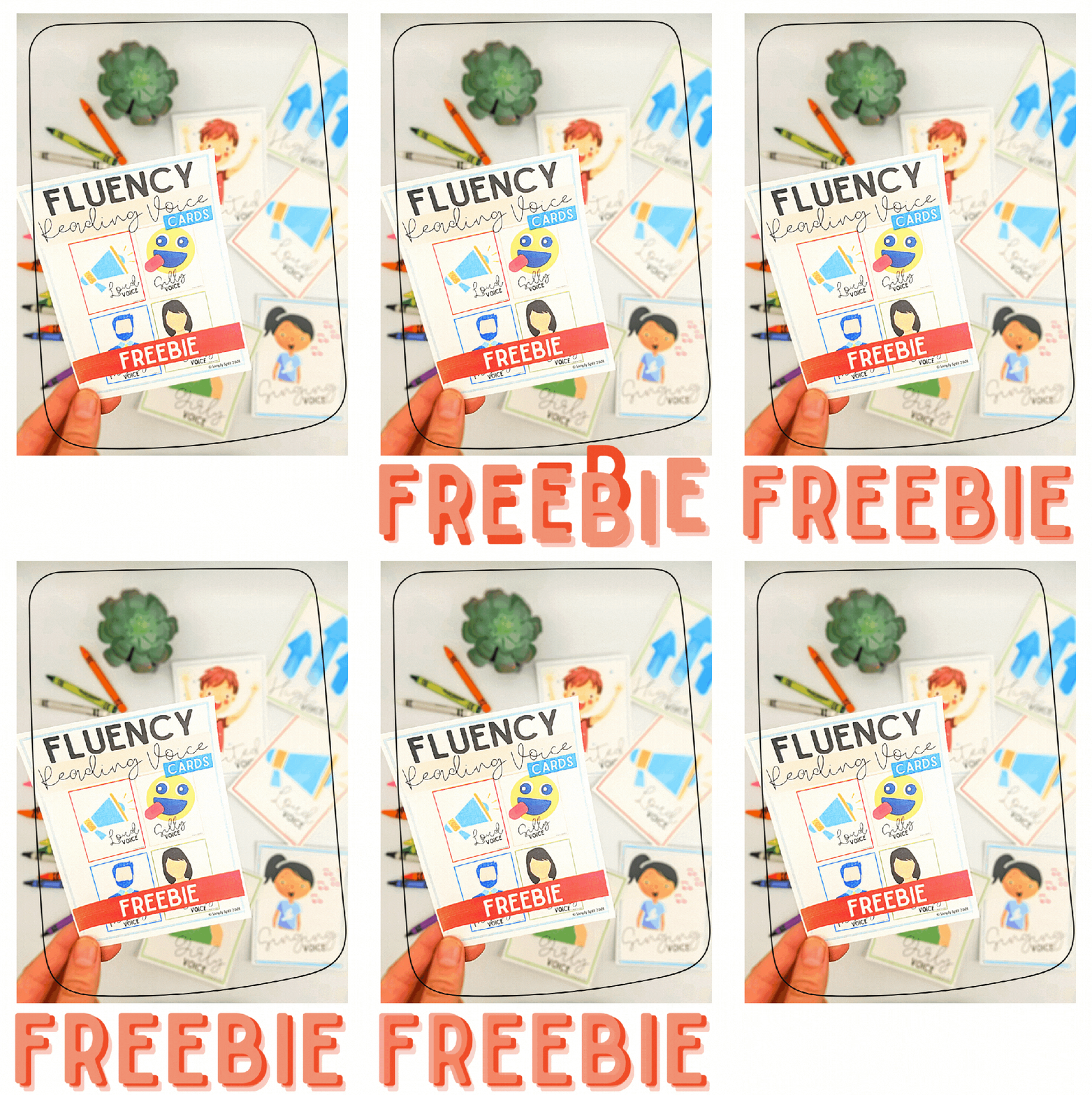
2. Fluency voice cards (FREEBIE ALERT)
- This is a great way to increase engagement. Students pick a fluency voice card and read the passage in whatever voice is listed on the card. This way repeated readings won’t feel too redundant. Each time the passage is read, it will be a little bit different. You can grab this freebie by clicking below and subscribing. The FREEBIE will then be sent to your email.


The idea of a pyramid sentence is to read a sentence progressively. You’ll start with the first word of the sentence on a line, then the next line includes the first word and the second word. Each line adds a new word until the sentence is complete. Look at the picture to see what this might look like. The reason this kind of activity helps with fluency is because students are building and practicing reading familiar words quickly. Even though they are repeating the same words over and over again, this is building their fluency and helping them to increase their fluency rate.

You can do a make-shift version of this activity all on your own with sentence strips. All you need to do is write a sentence. You can grab a sentence from a book you are reading or create a sentence with words matching the phonics skills you are practicing. Then use a paper or blank sentence strip to cover all of the sentence besides the first word. Then after each word is read, uncover the next word, but re-reading the whole sentence over as you uncover each word.

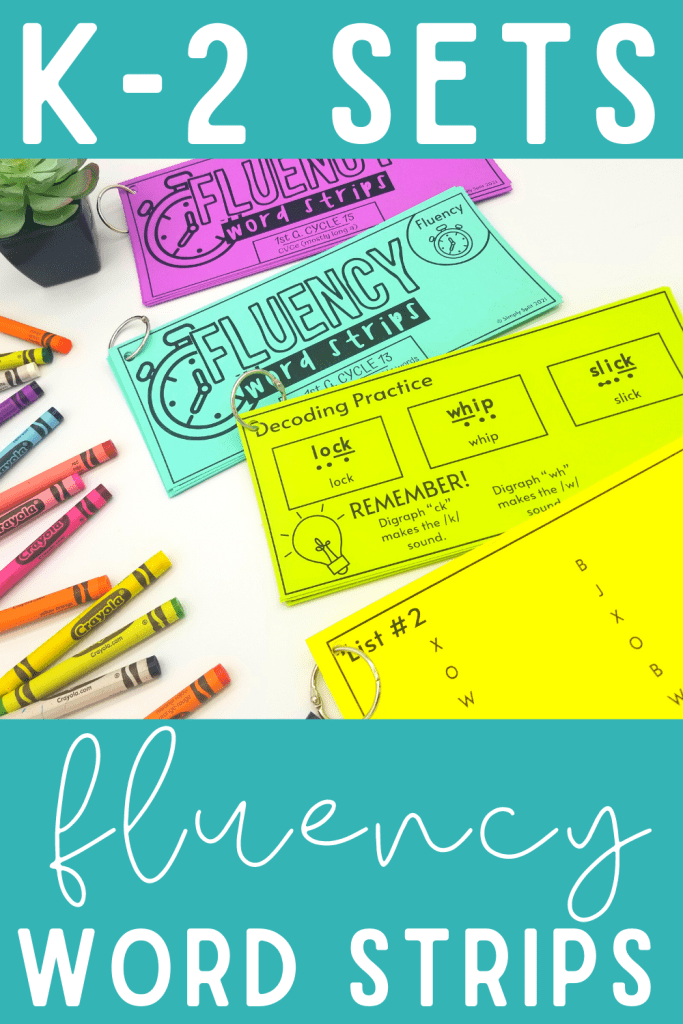
This is a fun and easy activity to implement. It will take some prep if you choose to make your own, or you can try out the fluency word strips I have made by clicking here. This is a pretty easy activity to make for students that need to practice letter names and sounds. All you need is a pocket chart, sentence strips and a pointer. Simply write down the letters you’d like each group to practice on the sentence strips and place them in the pocket chart. When students go to that center, they will have someone point to each letter on the sentence strip as another says the name & sound. This is repeated until they become more and more fluent. Students tend to have a fun time with this activity and find motivation to get better and better.
If you don’t like the idea of having to make your own, have no fear, I got you covered. There are 25-26 (depending on the grade level) different packets of fluency word strips that each focus on a different phonics skill. Within each packet, there are 4 levels. This makes it easy to differentiate.
If you like the idea of your students completing all of the levels within each decoding packet, I would definitely suggest purchasing the bundle. In the bundle I have included a puzzle piece game board which aligns with the fluency word strips and can be used as an incentive to pass off each list within the packet. It’s pretty simple, once a student passes off one of the word lists within the fluency packet (reading fluently), they get a piece to the coordinating game board puzzle. Once they pass off all lists, they can put the puzzle together and play the game. The coordinating phonics game board focuses on the same phonics skill practiced in the fluency word strips. The game can be played independently or with a group. Your students will love it and be motivated to pass off each list. Watch the video below to see the bundle in action or click here to view the bundle in my shop.


Teaching students decoding skills might seem like a weird thing to do to increase fluency, but it really works. If you think about it, if a student doesn’t have the skills to decode and sound out a word properly, there’s no way they’ll be able to read fluently. Students that can’t decode very well but can read somewhat often rely on memorization. Memorization can only take you so far and at some point, students that memorize will get stuck. Decoding skills help students in the short term and the long term. It helps students to learn how to sound out simple words and complex words. Once they get enough practice with decoding words and they get quicker at it, they will then be on their way to becoming fluent by reading accurately and quickly.

Decoding flashcards can be so helpful to young readers. They are very easy to make on your own. All you need are index cards and colored markers. Write on each flashcard a word you are working on (I would suggest working on a specific phonics skill and selecting words with that same spelling pattern). Next you’ll want to figure out your own notation system. I like to underline spelling patterns that are familiar, then use an arrow to mark magic e words, and a swoop for the syllable breaks. I would suggest doing these notations in different colors. Then when you use the flashcards, teach students to cover up and only read one syllable at a time. This will help them decode more easily and build their fluency accuracy. Click here to view this decode mode activity.


I used to make all my flashcards by hand and it was very time-consuming (although nice because it’s FREE). I finally buckled down and started making my own printable flashcards and they have been so helpful. If you are looking to save some time, make sure you check out my decoding flashcards. Each flashcard set includes 40 flashcards focused on a specific phonics skill. There are 3 differentiated levels in each set as well. The differentiated levels are all the same words, but they don’t have all the decoding helps (as some students may not need as much guidance). You can bundle and grab all of the 2nd grade decoding flashcards (26 sets) for a discounted price. Other grade levels (kindergarten and 1st grade) will be coming soon as well.


Some students simply have not had enough practice with blending words quickly and smoothly. When students aren’t able to blend quickly and smoothly, this will definitely affect their fluency.
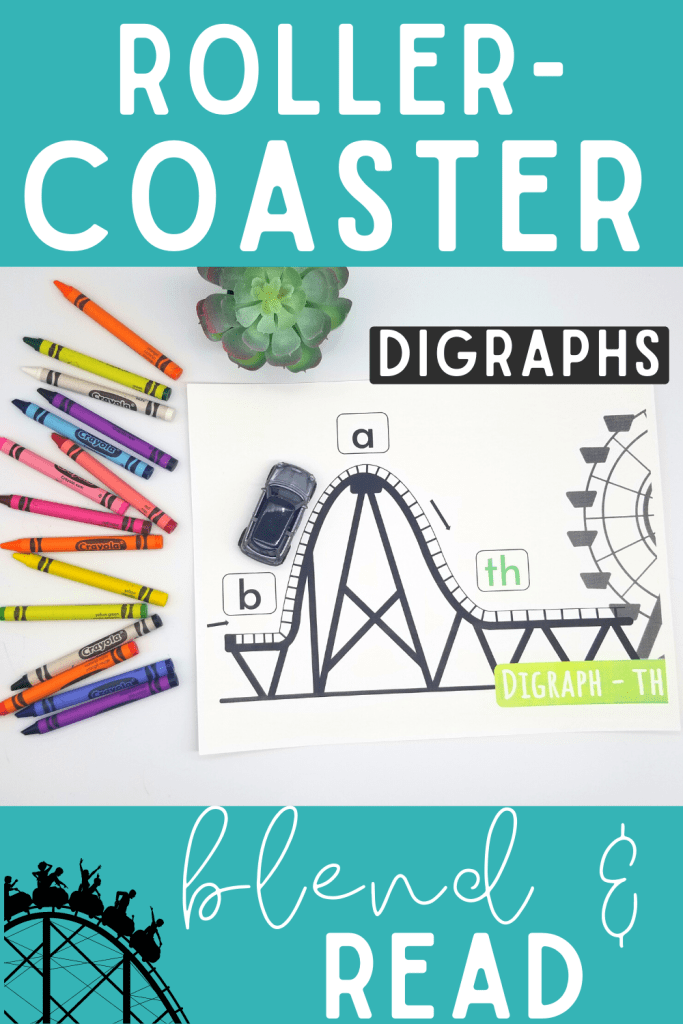
My favorite activity to help students blend more smoothly and quickly is shown below.
This is such a FUN and ENGAGING blending activity that your students will love, and it will actually help to improve their blending skills. As shown in the video, I like to use a toy car as the blend-er. Students simply roll the toy car on the rollercoaster over each letter as they blend the sounds together out loud.
This product is sold in a CVC Bundle or a Digraph Bundle. You can also buy short vowels or individual digraphs on their own outside of the bundle.


Try out some of these tips and let me know how they go! I’d love to hear how it influences your classroom.

