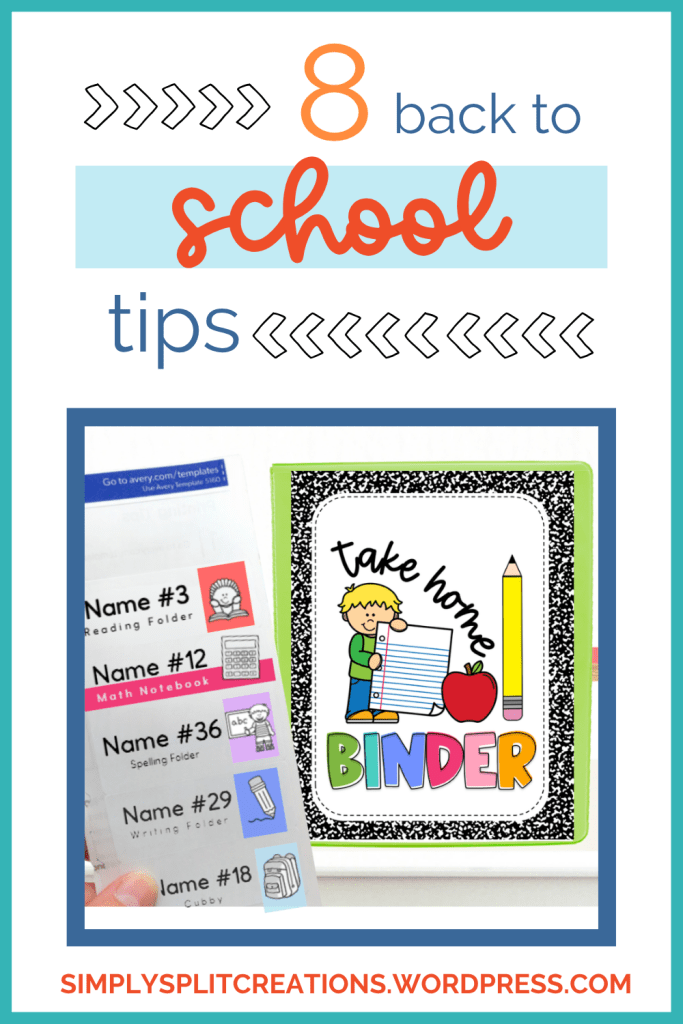
Going back to school can be a fun and exciting thing, but also a very hard thing. Let’s be honest, we all enjoy some time off. Now, I don’t necessarily have a solution for you if you’re dreading going back to school, but I have compiled some tips to help make back-to-school time smooth, easy, and fun for your students.
1. Prep for back-to-school night early
If you’re a procrastinator (like me 😬), this may be a difficult task for you, but I promise you will be so relieved if you can get your back-to-school prep done early. If I have enough energy and pep, I usually do this at the end of the school year; that way I’m already ahead when I go back to school. It makes the summer a lot more enjoyable knowing that I already have one thing knocked off my to-do list.
I keep all my prepped materials in my handy dandy prepping bin, ready for me to pull back out in the fall.
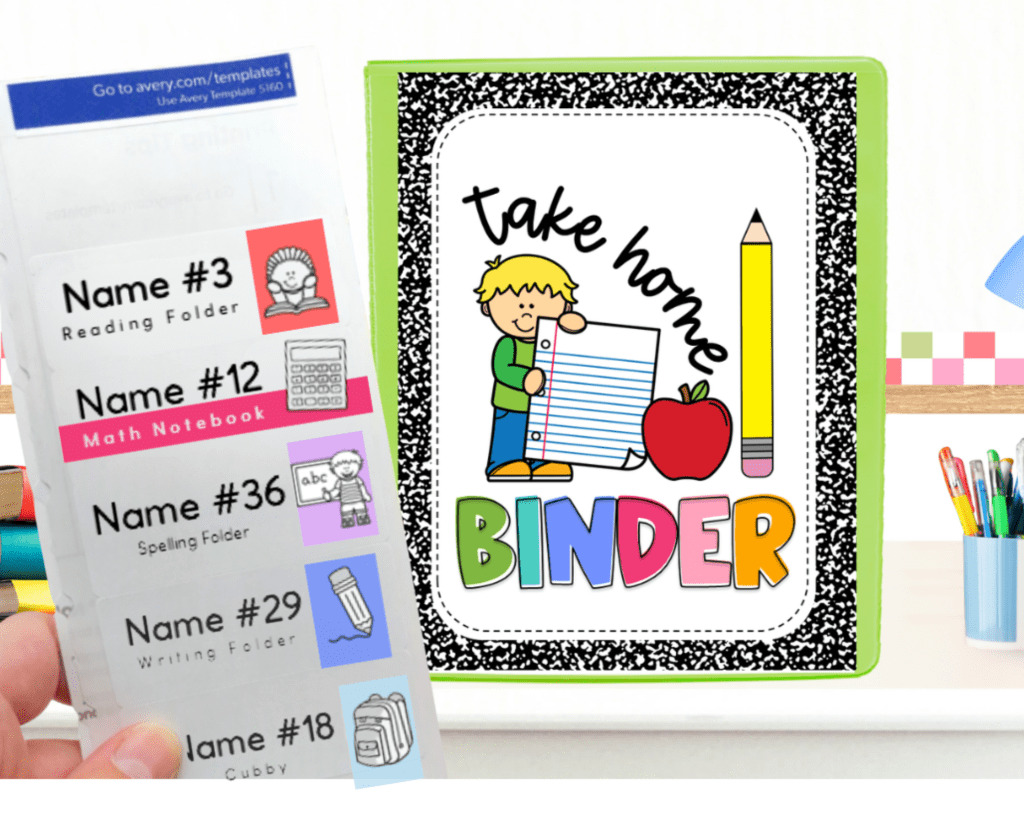
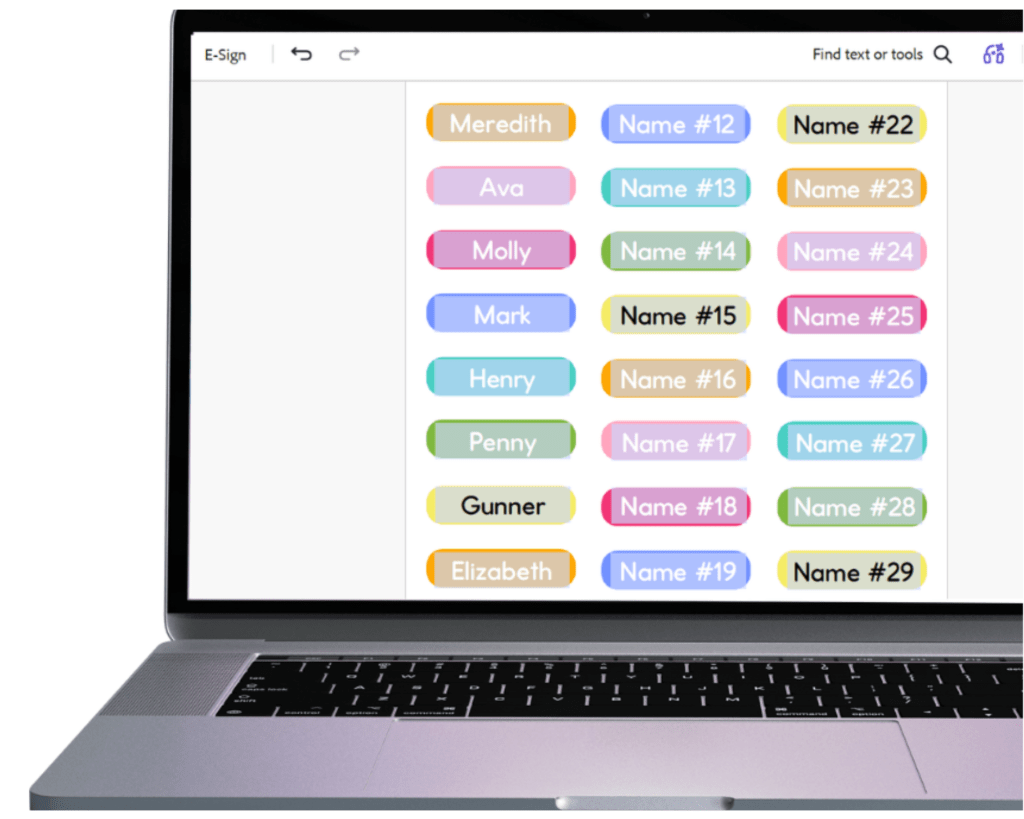
I’m not sure how it works at your school, but we usually get our class list a week or so before school starts, and then the race is on to get everything labeled and ready quickly so I might have a chance to relax for at least a day or two before school officially starts. These student name labels make everything SO easy. I type my class list once, and they autofill to every page! These labels fit on Avery labels #8160, which makes applying them really easy. I just peel and stick them to student materials.
I highly recommend keeping extra materials on hand with ready-to-go blank labels. This makes it super easy to grab materials for new students you might get throughout the school year. I stick the blank labels right on the materials and store them in my closet just in case. Then I simply write the new student’s name on the label, and they are all set to go.
4. Build Your Student Checklist
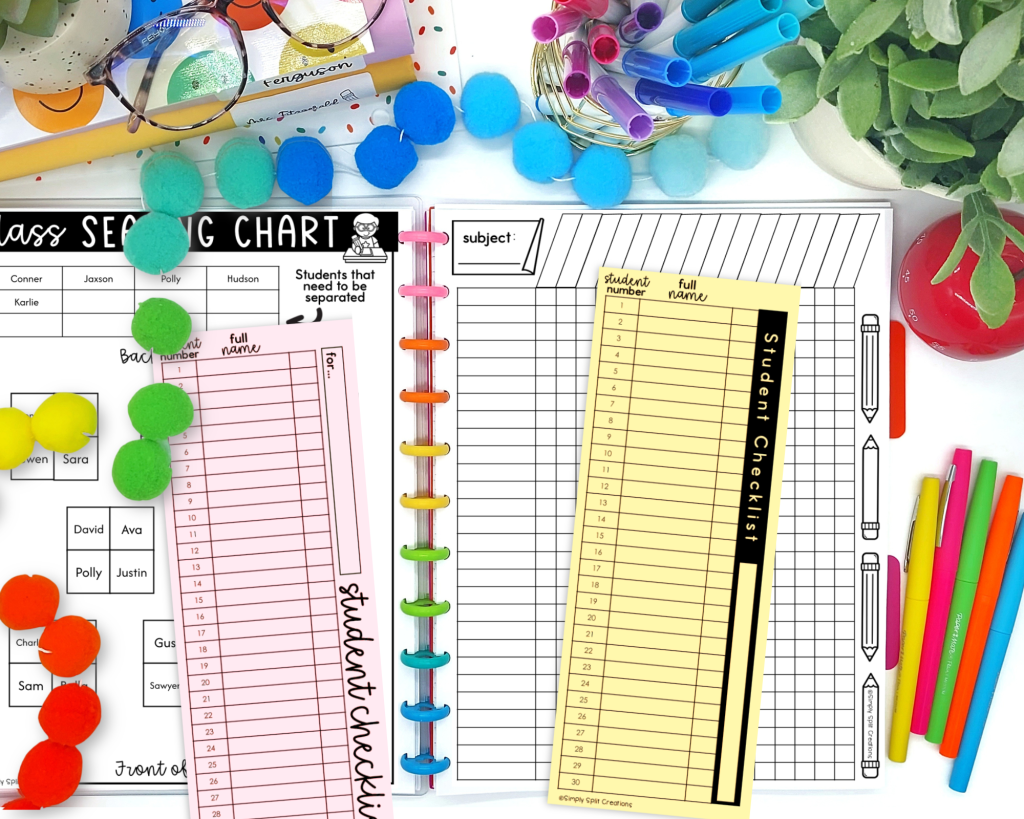
I use student checklists daily, it seems. They are great for grading, building seating charts, field trips, and so much more. I highly recommend creating a student checklist template and keeping a bunch of printed copies on hand. It can save you so much time and be so helpful throughout the school year.
If you’d like a template, check out my teacher essentials pack that includes student checklists, teacher to-do lists and SOO much more!
5. Generic Bulletin Board Subject Titles
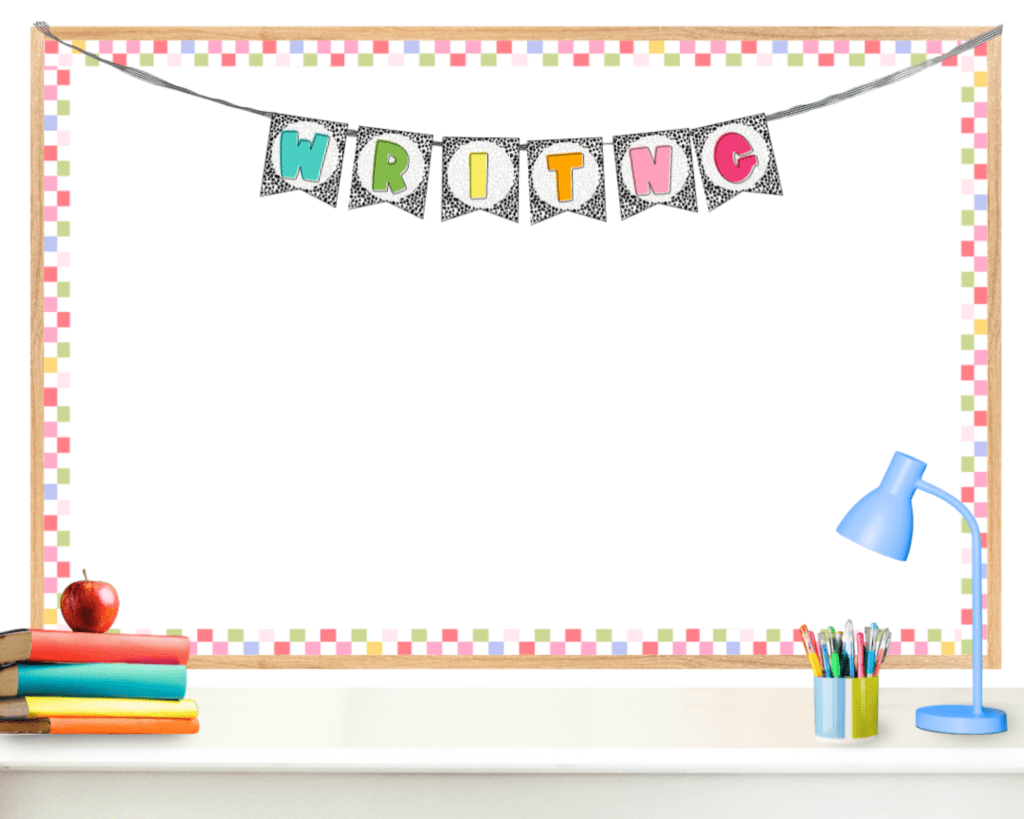
I am a big advocate for utilizing bulletin board space for learning rather than cutsy things. Plus, bulletin boards can be hard to change out seasonally because, honestly, who has time for that? If you want simple bulletin boards to use for learning, I recommend titling your bulletin boards with different subjects and using them to display things you are learning, like anchor charts, work examples, etc.
My favorite way to title bulletin boards is to use banners, rather than individual letters. Banners are easy to prep, easy to hang, and easy to reuse year after year. I keep my premade bulletin board banners strung, folded up in baggies, so they are super easy to store as well.
If you want to shop around for a banner style that matches your classroom theme, check out the bulletin board banner options in my shop. Each banner set includes the following phrases in several patterns and colors:
“Welcome Back!”
“Math”
“Reading”
“Writing”
“Grammar”
“Science”
“Social Studies”
6. Write Students’ Names on their Desks in Sharpie
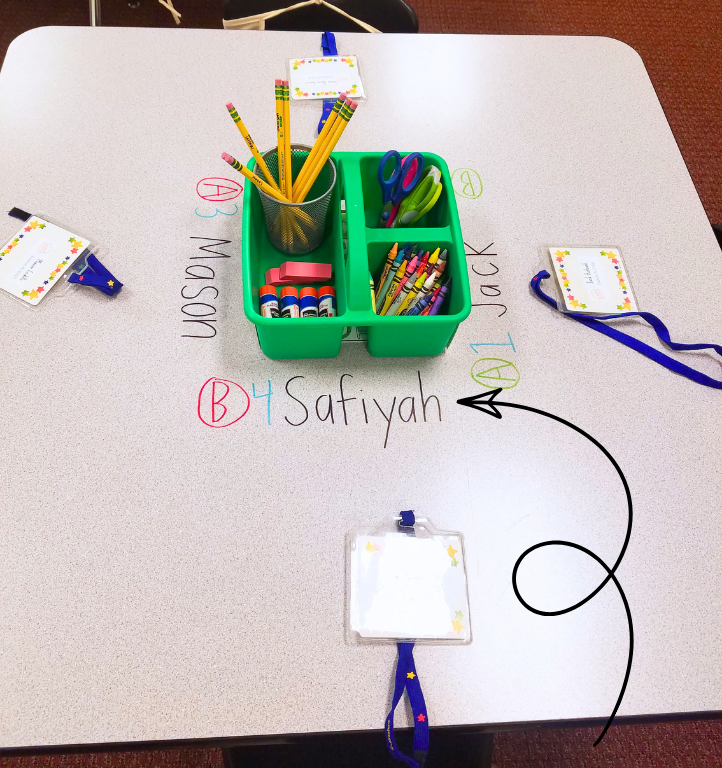
Seating charts are a must, in my opinion, to keep the chaos away. If you are like me and hate name plates that students pick at and ruin, then you may want to try this method. You can directly write students’ names on their desk or table spot with a Sharpie. This may seem a little scary at first, but trust me, it won’t last forever and won’t remain permanent. The names typically fade and go away within a month or two just from student use.
If you need students’ names gone from their desks sooner than that, hand sanitizer does the trick.
7. Create Desk Partners
You may have been wondering what the colored letters and numbers are for that are written next to the student’s name in the picture above. Those are to form partners or groups really easily. You can easily assign tasks to a specific partner or group member this way. You can mix up partners too by saying, colored partners (reds go together, greens go together), letter partners (A’s go together, B’s go together), ect.. Other examples might be…
“Group member #1, get glue sticks for everyone”
“Number 2s may line up”
“Partner B will start first in the partner game”
“Group member #3, gather papers and turn them in to the tray”
8. Let Students Get to Know You
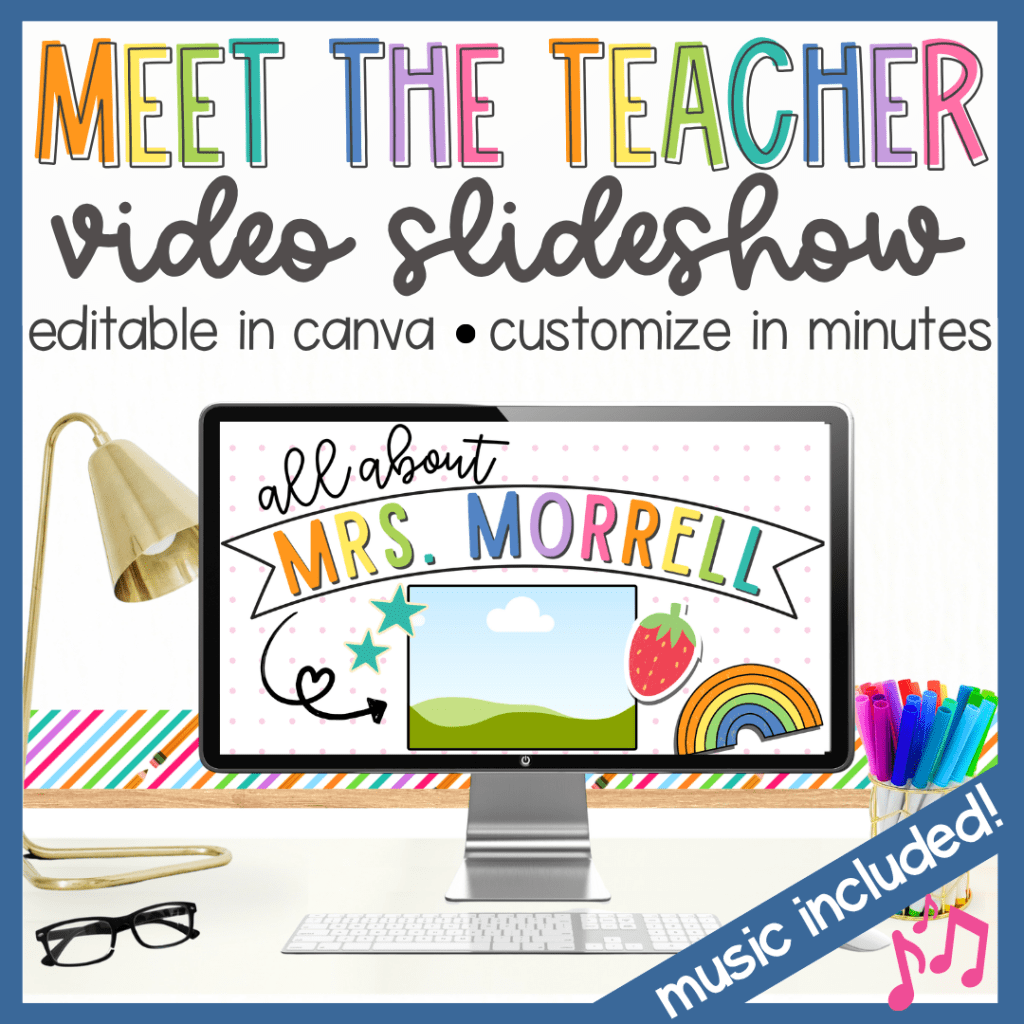
One of the best ways to build classroom community and help with classroom management is to build strong relationships with your students. Letting students get to know the real you helps make connections with students and is a great way to start building strong relationships. There are a lot of small things I do throughout the year to make this happen, but one simple thing I do at the beginning of the year is share a short video all about me.
Students love learning about your hobbies and family this way. Check out my “all about the teacher” video template to make it quick and easy to make and fun for your students to get to know you.
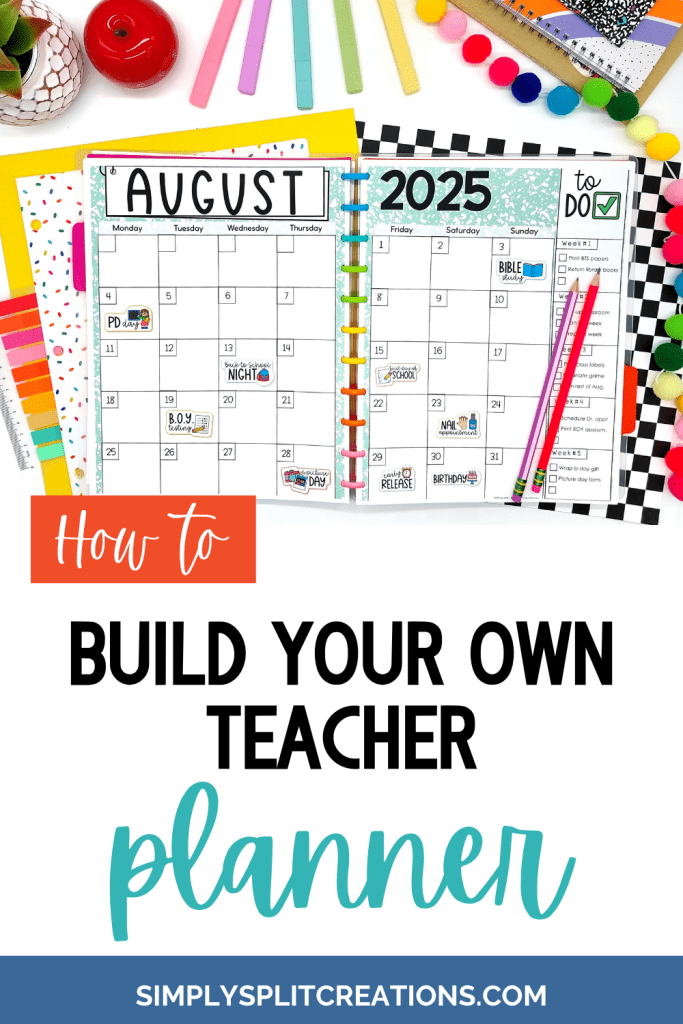
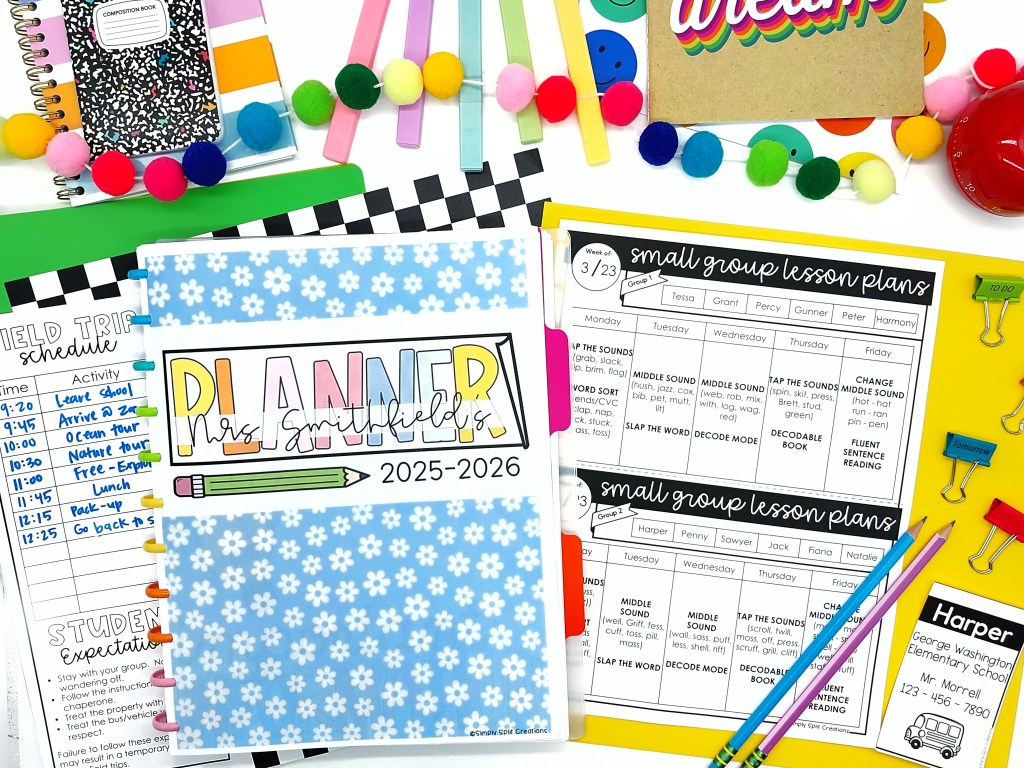
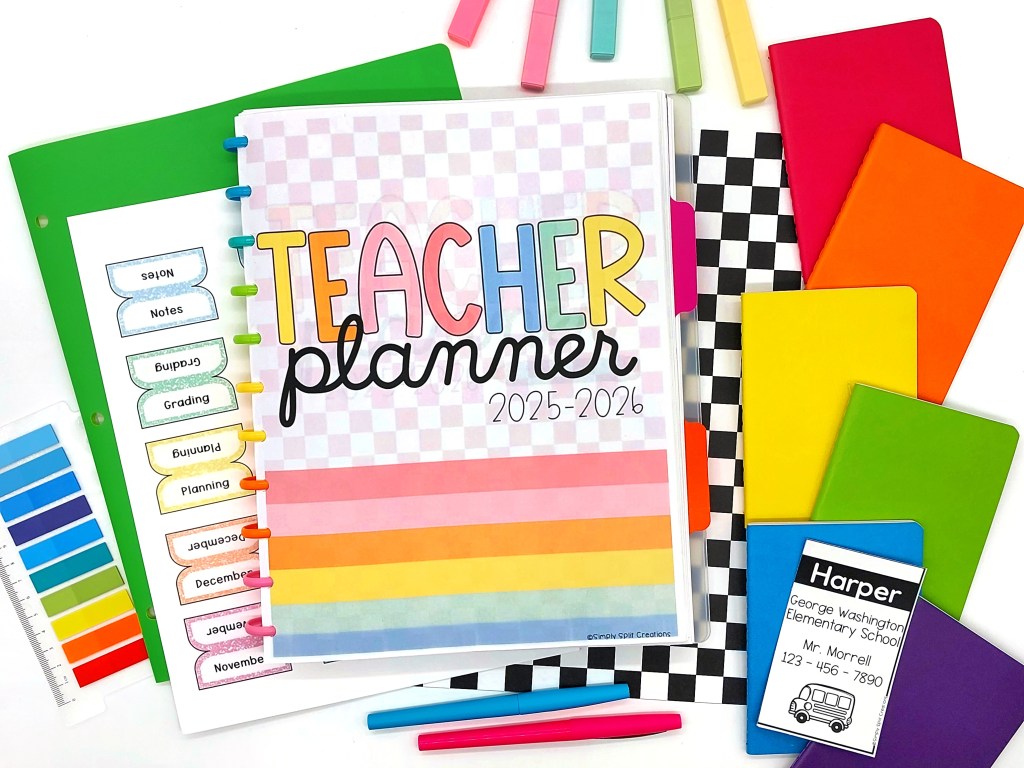
Lesson planning can be such a chore, which is why it’s important to find a system that actually works for you. Most teacher planners include pages I don’t need & lack the pages I do need, which is why my life changed when I finally found a way to build my own teacher planner with exactly the items I need. This makes my lesson planner a lot smaller to lug around, more personalized, and easier to use.
Find a Printable Digital Planner
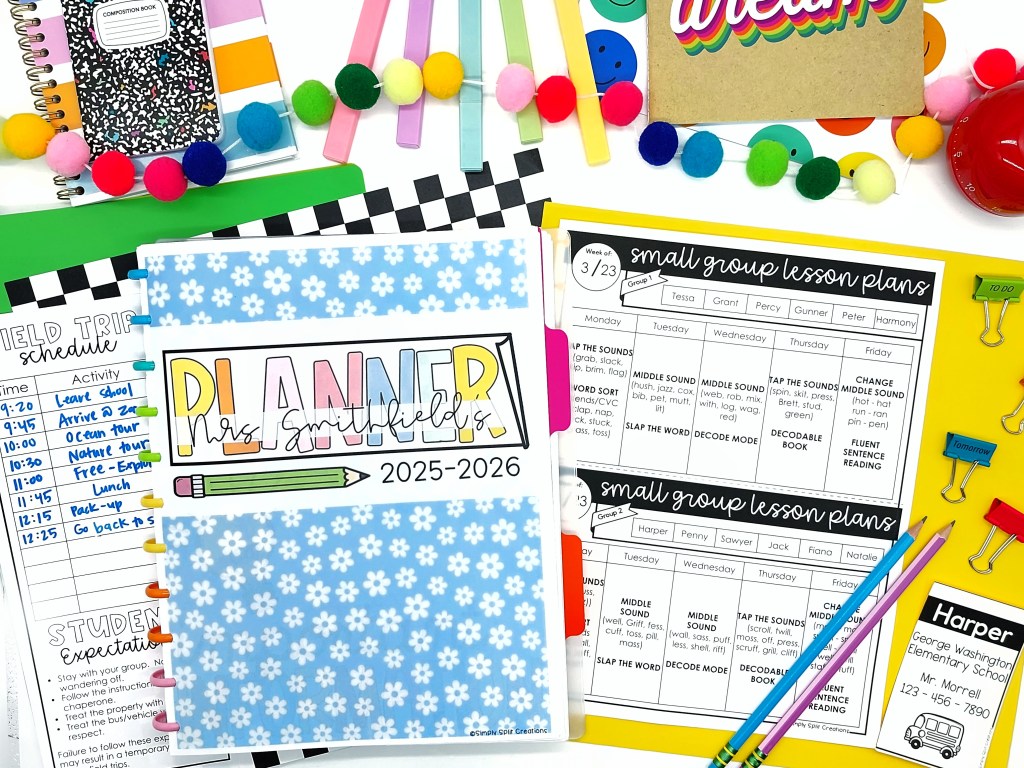
First, you need to find a printable digital planner that works for you. There are lots of great options on TPT. I recommend finding one that has all the components you’re looking for. I created a big teacher planner that includes lots of great options. You can purchase the full bundle or just grab the areas you want. It includes…
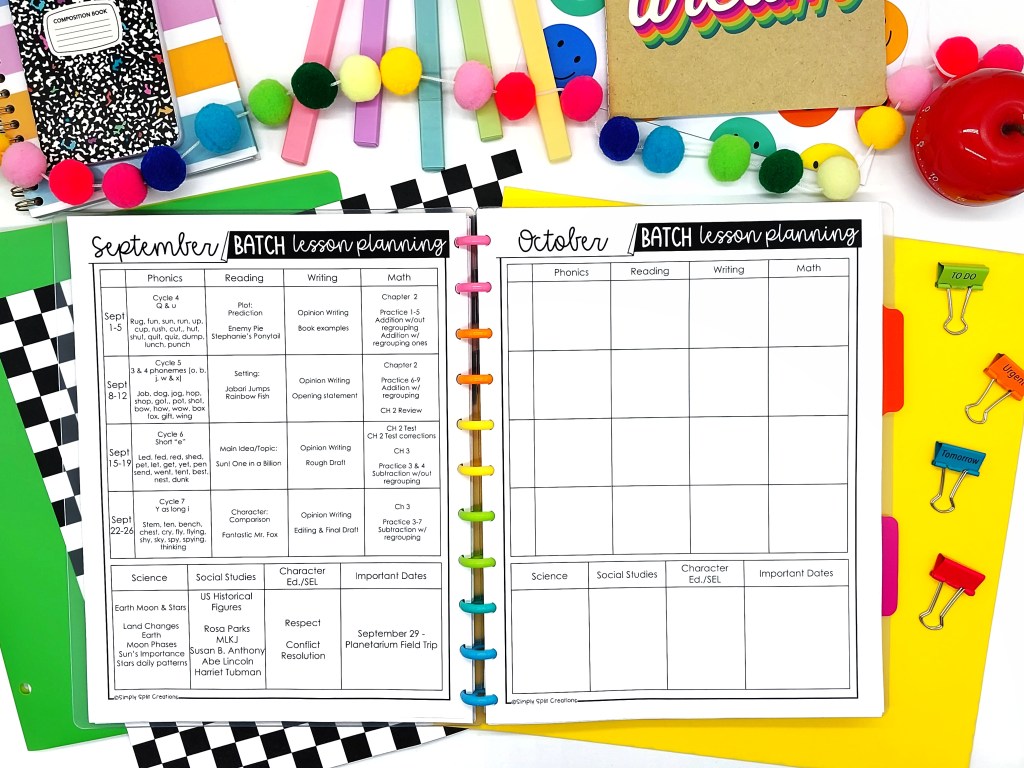
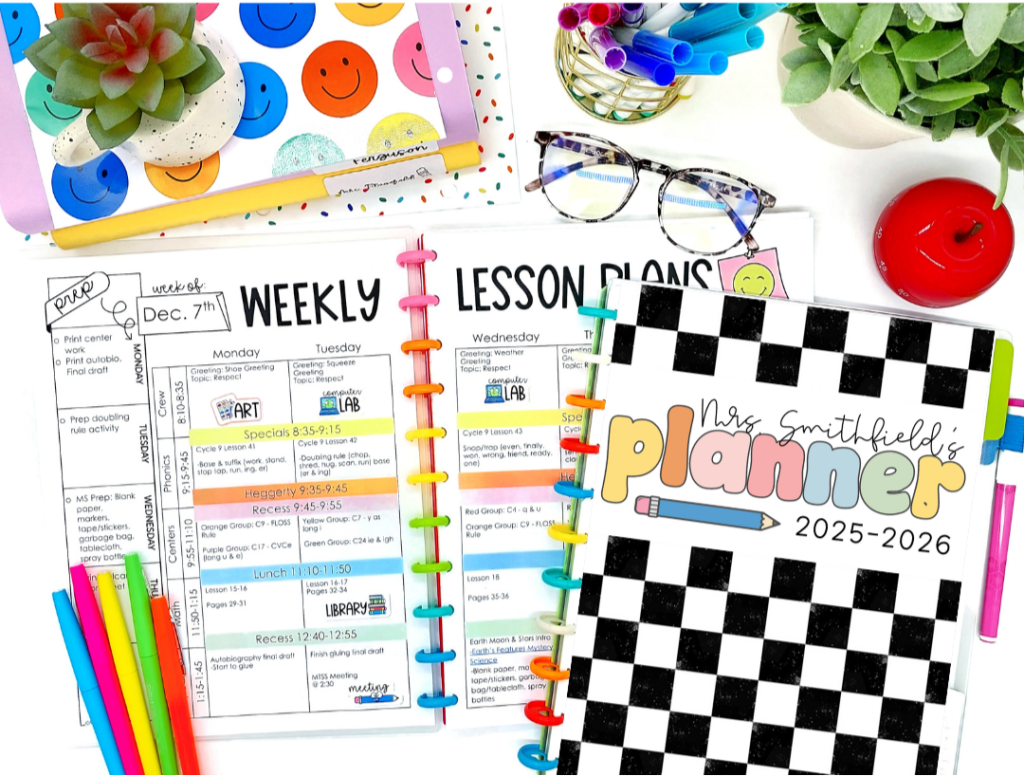
LESSON PLANNER & SCHOOL YEAR CALENDAR (curriculum mapping, monthly checklists/goals etc, month at a glance, year at a glance, batch lesson planning, class schedule, important dates, specials class schedule, digital stickers, & more)
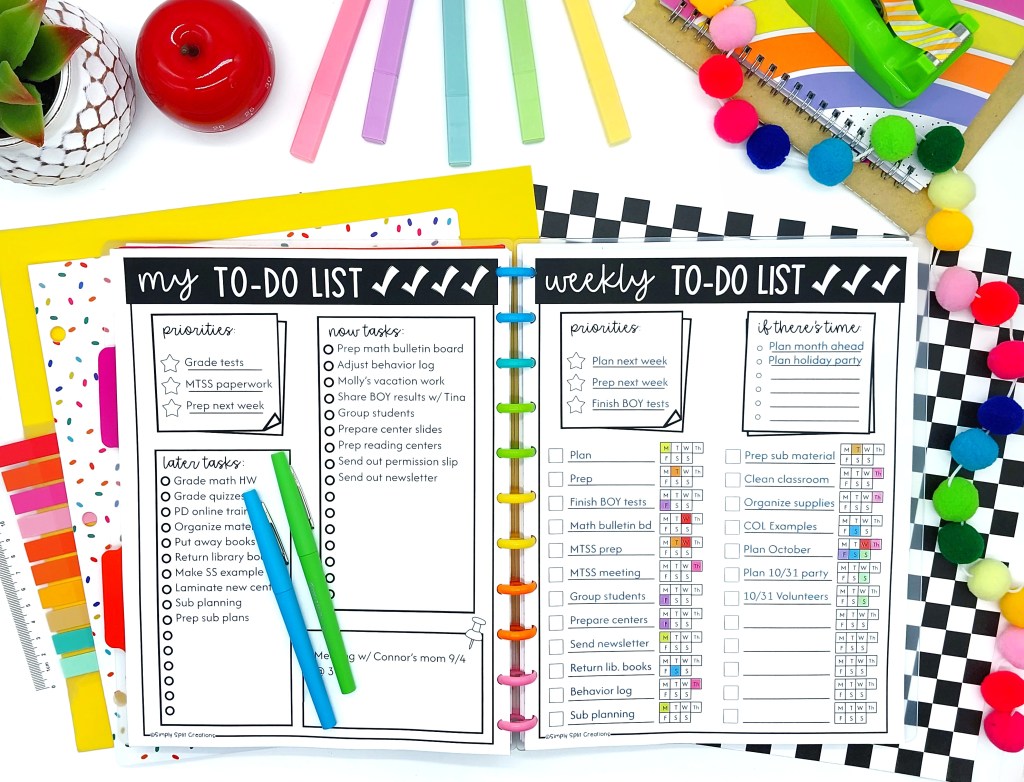
TEACHER ESSENTIALS (to-do lists, student checklists, class list, grading, party planning templates, class birthdays, volunteer sign-up sheets, parent communication forms, goal planning, PD tracking, notes, student seating chart template, passwords, & more)
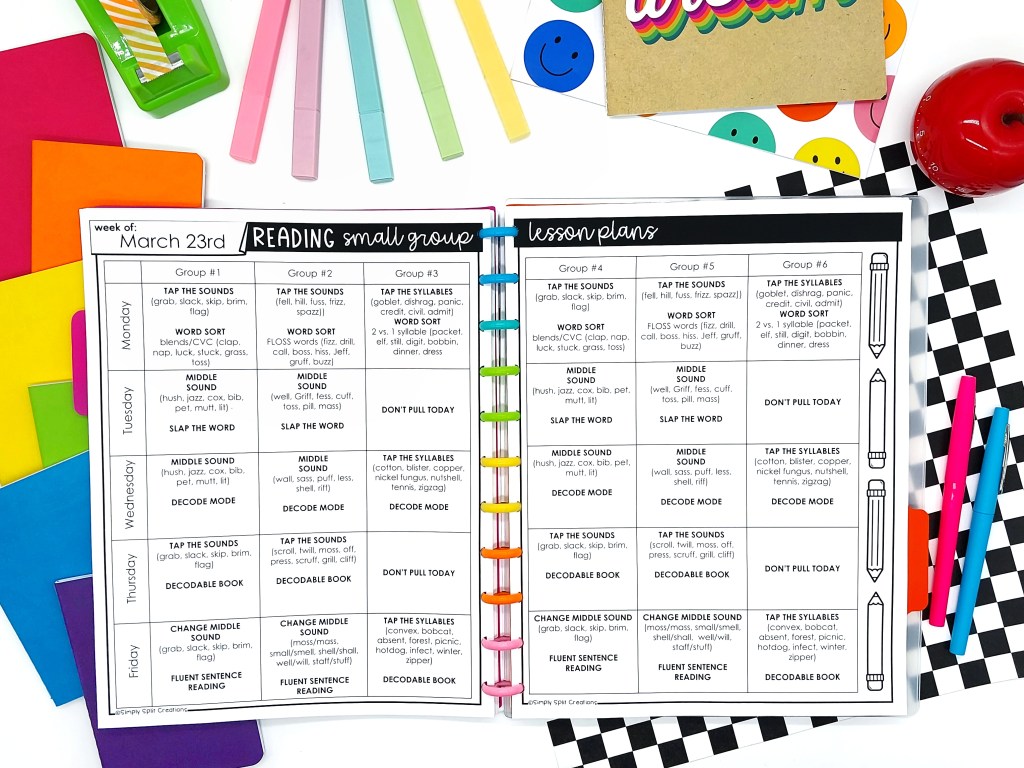
SMALL GROUP PLANNER (reading & math group formation, small group lessons, small group notes, etc.)
FIELD TRIP PLANNER (brainstorming ideas, field trip planning notes, transportation planning, field trip schedule, chaperone guide, emergency sheet, student list, student name tags, etc.)
SUBSTITUTE PLANNER (class schedule, specials class schedule, classroom management plan, sub plans, emergency protocols, emergency phone numbers, etc.)
PERSONAL PLANNER (weekly family schedule, grocery list, meal planning, gift planner, b-day list, book/movie/TV show recommendations, healthy habits tracker, nutrition & wellness, etc.)
Below are some of my favorite pages from the planner:
How to Build Your Planner
You’ll need to decide what materials you want to use for your planner. Below are some options (listed in my favorite order).
Disc Ring Binder: This is my FAVORITE option! You’ll need to purchase a few items to make this work, but it’s super durable, easy to add or get rid of pages, as condensed as you make it, plus it turns out really cute! I’ll go into detail below about what items I use to build my disc ring teacher planner. You can even re-use the materials year after year.
Binder: This option works well too and is easy to add or remove pages. The downside is that it is super bulky.
Spiral Bound: This can be expensive and is a more permanent option. It doesn’t make sense to figure out how to add pages, but you can remove pages if needed; it just might take some time to remove several pages. This is very slim and easy to carry around, though, plus it looks really cute and professional.
Folder: A folder only really works for an extremely small planner. If you just need a few items, this can work out really easily with a binder hole punch. The downside is that it can be difficult to keep a particular page open.
Disc Ring Binder Supplies
Digital/Printable Planner: HERE’S A LINK to the digital/printable planner I made.
11 Disc Binder Hole Punch: HERE’S A LINK to the hole punch I use. HERE’S A LINK to a more affordable option.
Discs: You’ll want to decide how many pages you think you will be printing so you know the size of disc rings you will need. Below are the links to my favorite options for various sizes.
*Keep in mind that if you use cardstock paper or a heavyweight paper, you may not be able to fit as much paper in your planner.
Extra Supplies that are Helpful
Disc Transparent Covers: You can simply laminate your cover page, but if you want your planner to be more durable, I would recommend using a 10 mil laminating pouch, OR, getting the transparent disc covers. HERE’S A LINK to the ones I use.
Disc Paper Pockets: If you like storing other papers in your planner, it can be really nice to have a pocket in your planner. HERE’S A LINK to the pockets I use in my teacher planner.
Month Sticker Tabs: If your planner doesn’t come with printable tabs, or you just don’t want to print and cut your own tabs, I would recommend using these month sticker tabs. HERE’S A LINK to the month sticker tabs I have used.
Pen Holder Adhesive: I love keeping a pen or pencil with my planner, so this pen holder adhesive is a must in my opinion. You can grab a pack and use them year after year, or you can reuse the same transparent cover & pen holder on your planner each year. HERE’S A LINK to the pen holders I use.
Printing Tips
Print the calendar on cardstock: I like having a heavier feel to my calendar pages. I use cardstock for the calendar pages as well as my cover page.
If you want to add pages in between the cardstock calendar pages, DO NOT PRINT THEM FRONT & BACK. Instead, you can add pages in between the calendar months manually after printing. You can tape the calendar pages together to the next page so that the pages flow more nicely if the blank pages bother you.
Duplicate one document to build your printing file: You’ll want to duplicate or make a copy of the planner, then copy & paste the pages in the order that you want them to appear in your planner. This helps you be able to print front & back. If there are pages that specifically need to print on the left page or right page, you’ll want to pay attention to that when printing so that they line up nicely. You can add a blank page if needed to fill in as a placeholder. You can assign ODD numbers to appear on the LEFT SIDE and EVEN numbers to appear on the RIGHT SIDE or vice versa.
Test Print: I recommend test printing a couple of pages to make sure they are lining up the way you want them to in your planner.
Think before you punch holes: It can be super easy to punch holes on the wrong side of your pages. I recommend lining the pages up and test “opening” the pages before actually hole punching them. This way, you can make sure you are happy with how the pages will lay in your planner.
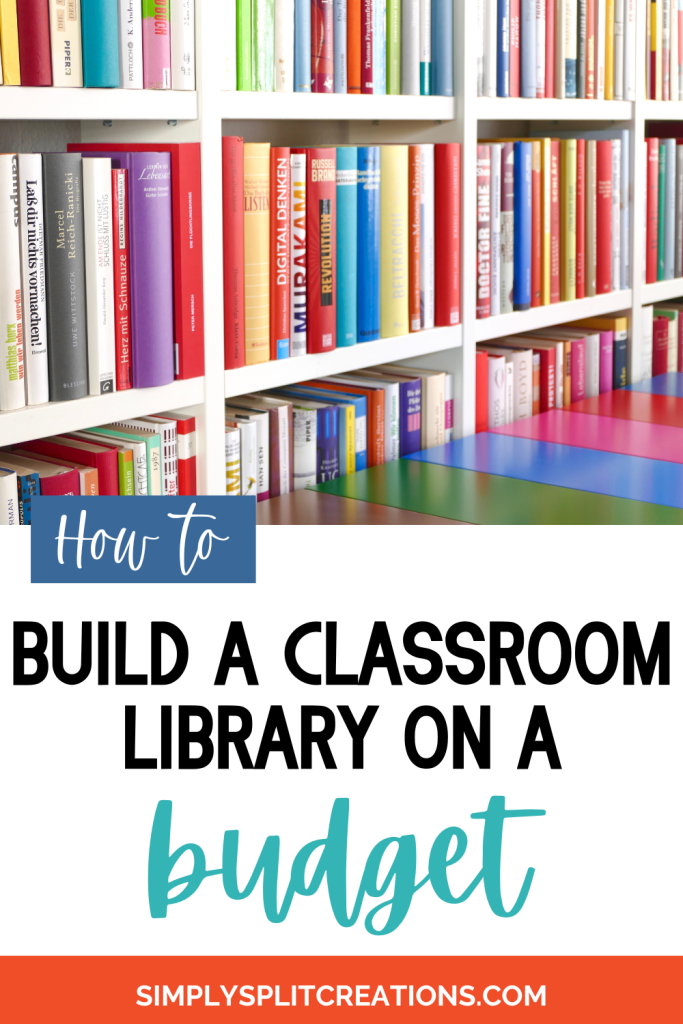
If you are a new teacher, chances are that you’re starting from scratch, trying to build a great learning environment. One of the most important things that every elementary teacher needs is a vast collection of books! Building a high-quality classroom library collection can take a whole career, but you may wonder where to start. How can teachers afford these books, especially new teachers with debt?
Well… you’re in luck because I’m about to reveal all my tips and tricks on how to hunt down books on a budget. Even if you’re a seasoned teacher, you can NEVER have TOO many books. These tips are sure to help you get your hands on more books at a fraction of the price or maybe even FREE.
Check your school first! – The classroom you’re inheriting may already be stocked full of great books. Before spending lots of time and money on new books, be sure to see if it is necessary to purchase lots of books.
IF the classroom you inherit is already filled with books and you are adding your own books to the school collection – I would recommend marking your books in some way so you can easily distinguish your books from the schools’ books if you switch schools or classrooms.
If you don’t want to custom order your own personalized “property stickers” or pricey custom stamps – I have some editable stickers available in my shop that you can print on your own. This makes it easy to print more as you need them. No fancy editing skills are needed – just type your name and they will auto-fill for you. There are a few different options available to choose from. Just click the link below to view all the different options.
Garage Sales – Summer is the PERFECT time to scavenge garage sales. Keep your eyes peeled for signs posted locally, newspaper listings, or friends or family hosting garage sales. I would also recommend joining some sort of yard sale Facebook group for your area. Yard sale dates and locations are often posted in these Facebook groups. Depending on the group rules, you may also be able to post an “in search of” post letting people know you’re looking for books for your classroom (some people may even donate books to you for free after a post like this).
FB Marketplace – Facebook Marketplace has become the next “ebay” making it convenient to shop and sell. What I love about Facebook Marketplace is that you can shop locally. You never know what you might find!
FB Groups – In addition to “local yard sale” Facebook groups, I would recommend joining a “teacher buy, sale, & trade” type of Facebook group. Teachers will often do a classroom cleanout Facebook post and sell LOTS of random teacher items. Books are probably the #1 thing found amongst these Facebook groups listed for sale. You can also post an “in search of” post in most of these groups so people can let you know if they have something you might be interested in. These items sell for VERY cheap and can be shipped affordably thanks to media mail.
Friends, family, or neighbors – This is such a simple idea, but often overlooked. Don’t forget to talk to your friends, family, & neighbors. They are great resources and may just need a little encouragement to purge their books at home to donate to your classroom. It is so easy to just make a Facebook post letting all your friends know. You would be surprised by how many people reach out to help!
Local Library – County libraries will often host a “used book and surplus property sale” every so often. My local library usually hosts one towards the end of summer. This is another great place to stock up on amazing books for your classroom! Doing a quick Google search should help see if any libraries nearby are hosting a sale.
Local Thrift Store – This is the #1 place I have found books. Thrift stores can vary a lot and the product fluctuates a lot for obvious reasons, so I definitely recommend always checking the book section when you’re in a thrift store. You never know what great books you will find.
EBay – If you are looking for a specific book, eBay is a great option because someone is bound to be selling what you’re looking for. I love that there are often used and new options as well. Make sure you check reviews of buyers before purchasing so there are no surprises.
Thriftbook.com – This is another great website where you should be able to search for items more specifically. Many popular children’s books are included on this site and most are $5 and under depending on the condition of the book. You can also purchase in bulk or brand-new books. You can also search books by age level making it super easy to find books for your grade.
Firstbook.com (title 1 schools only) – First Book is very similar to Thrift Book, but the options are limited and often discounted more than Thrift Book. First Book is a nonprofit company which means savings go into your pockets, but it is only available for Title 1 schools. The process is very easy to prove your school’s status. Firstbooks will also often have sales. First book will make new books available every so often, and popular books will go quickly. I recommend subscribing to their emails so you can know when these new book drops happen because they get picked over so quickly.
There are so many great options for building your classroom library so I hope that one or a few of these ideas are helpful for you. If you have any other ideas to add to this list, I’d love to hear them! Leave a comment below so we can all benefit and discover new ways to build our classroom libraries.
Also, if you are looking for help when it comes to organizing your classroom library, I have another blog post diving into this topic. Click here to read this blog post all about classroom library organization.
Probably the first thing that pops into your mind when you think about fluency is speed, how quickly one can read. True, this is an aspect of fluency BUT it doesn’t fully describe what fluency is, and you can really hurt students overall if speed is the only thing you focus on when teaching fluency.. If you solely focus on speed, then students will likely get in the habit of not comprehending what they are reading, and they may even begin to HATE reading, which is a hard mindset to change. As parents or educators, we do NOT want to fall into this trap and in turn cause children to dislike reading. Therefore, it is important to focus on ALL of the aspects of fluency.
The three aspects of fluency are:
Accuracy
Making little to no errors while reading
Reading Speed
The rate at which a student reads. Often measured in WPM (words per minute)
Prosody
Reading aloud with proper intonation, phrasing and expression
Below are a few reasons why fluency matters, starting with comprehension, which is the end goal of reading.
Fluency is the bridge to comprehension. The ultimate goal of teaching reading is to help students understand and comprehend what they are reading. When faced with new words, students often take 5-30 seconds to sound out each word. If that is the case, the student is putting all of their thought and energy into sounding out each word. Therefore, the chance of them comprehending anything they just read is very slim. The student may remember 2 or 3 of the words they read, but most likely, they are not going to be able to comprehend the meaning of what they read.
Expression/prosody are also key components when it comes to comprehension. When a student reads with expression, it helps them comprehend what is written. The words come alive and feel more like a conversation or a podcast (depending on the content) and in turn, this will help them with comprehension.
Reading fluently is a major benefit to everybody, specifically in relation to future academics. Let’s put this thought into perspective with this example about Jane & Wendy who are high school students.
Jane is an excellent reader and can read about 280 words per minute. Wendy is a decent reader and can read 150 words per minute. Both Jane and Wendy were assigned to read 2 chapters in their text book in their science class. Jane completed her reading assignment in about 1 hour, where Wendy spent 3 hours reading and was only able to complete 75% of the assigned reading before falling asleep.
In this example, Wendy was perfectly capable of completing the reading assignment. She knew how to read the content, she simply didn’t have enough time to get it all done. Jane on the other hand hardly broke a sweat and completed the reading assignment in a fraction of the time. The crazy thing is that this wasn’t even for an ELA class, this was for science. Reading impacts ALL areas of learning. The short story is that the quicker you can read, the more you can learn, progress and grow. By teaching students how to be fluent readers, you are preparing them to be lifelong learners.
Once reading becomes less of a challenge or a chore, students will start to find the joy in reading. They begin to catch that thrill of reading new stories, or discovering interesting facts about dinosaurs or whatever else interests them. Students can gain this love of knowledge from listening to books, but they actually gain power to access this knowledge/entertainment whenever they desire once they become fluent readers.
There are so many fun and effective activities you can do with your students to help them become fluent readers. Check out some of my favorite activities below.
Planning repeated readings in the classroom can be very effective in increasing fluency. Students can gain confidence in the words they are reading because they have already read through it once. This helps them to be able to read more quickly. Students may dread repeated readings so it’s important to talk about why you are having them repeatedly read the same material over and over again. I suggest perhaps doing a mini lesson on repeated readings to discuss the importance of them towards the beginning of the year or prior to implementing repeated readings. A few resources to use for repeated readings are:
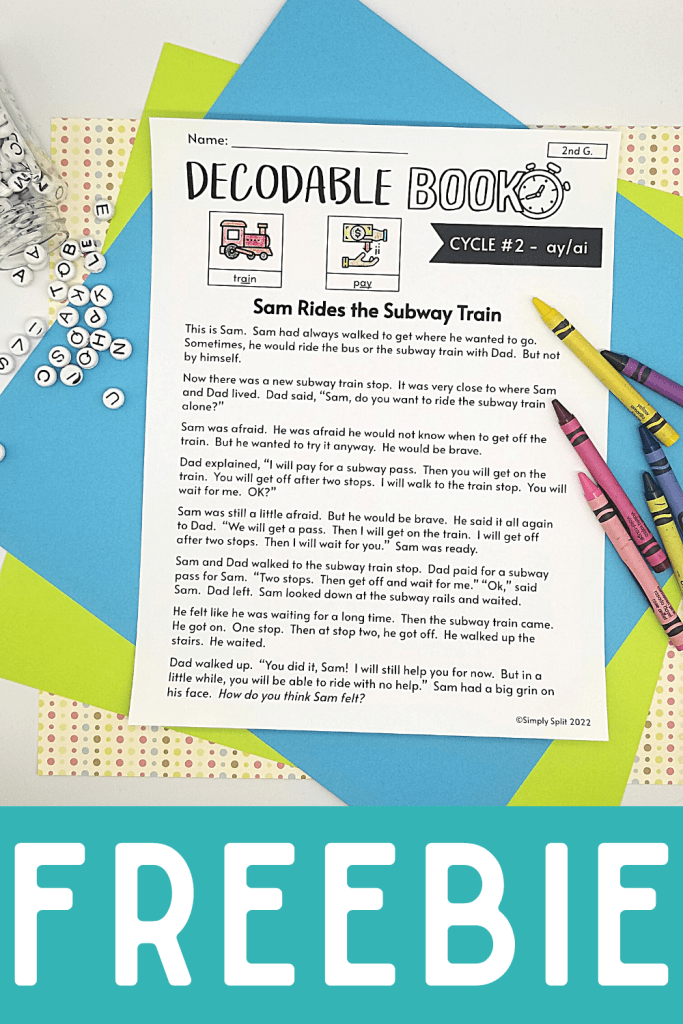
1. Decodable books
Anyone that does even a little bit of research into the science of reading will find that decodable books are highly favored over leveled books. This is because it helps students to succeed in reading. When a student reads a decodable book, they encounter words that they can decode + some high frequency words. By focusing on words that students can decode, it helps them to gain confidence in reading, practice their phonics knowledge AND increase fluency.
Make sure you do your research before purchasing decodable books. You’ll want to make sure that the books are actually decodable and follow a scope and sequence that build upon each other. Check out thisFREE sample of decodable books from my store. If you like these decodables, you may be interested in purchasing the full set. These decodable books are available in Kindergarten, 1st and 2nd grade levels. Click on the image above or below to view all decodable books available.
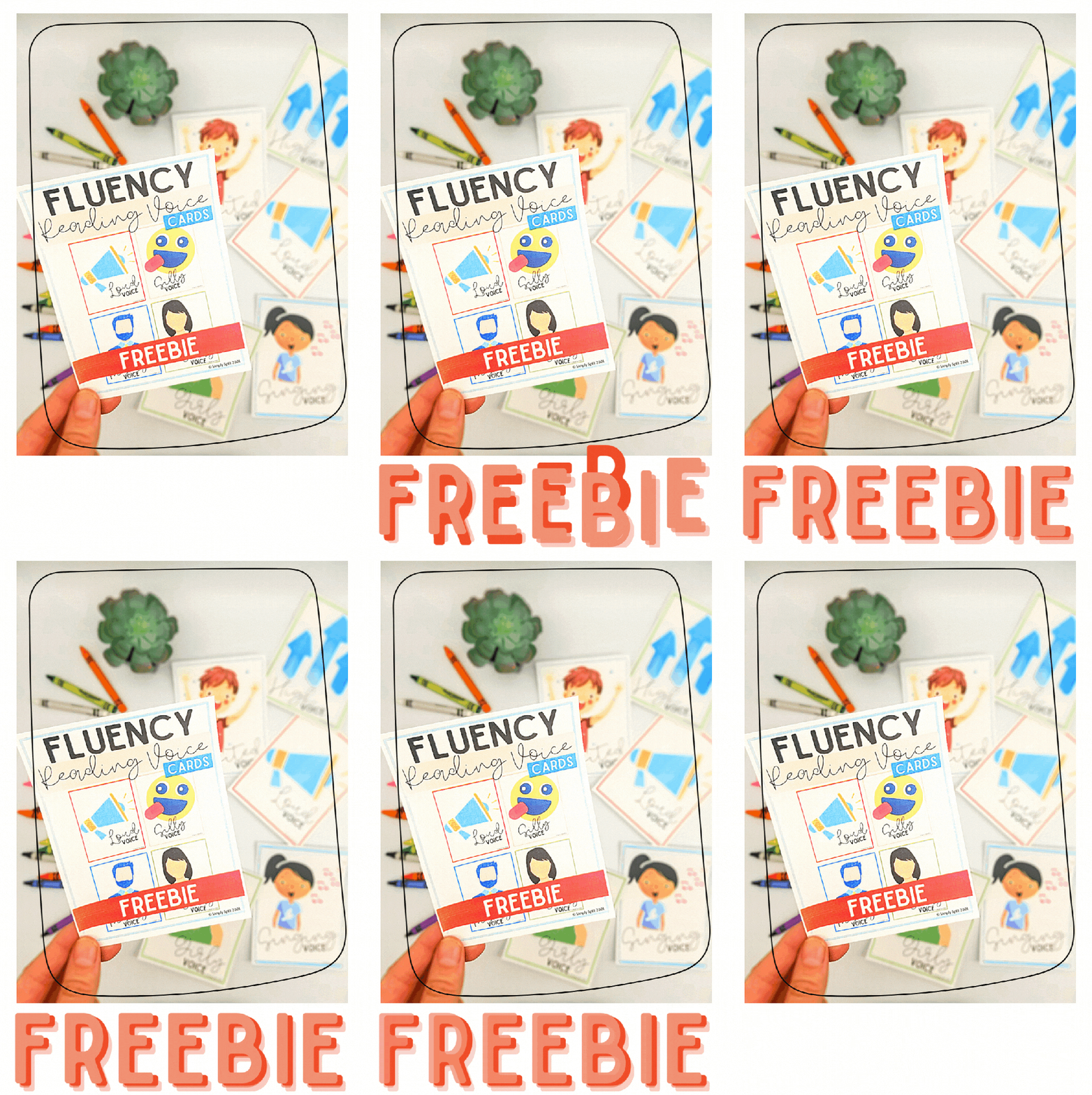
This is a great way to increase engagement. Students pick a fluency voice card and read the passage in whatever voice is listed on the card. This way repeated readings won’t feel too redundant. Each time the passage is read, it will be a little bit different. You can grab this freebie by clicking below and subscribing. The FREEBIEwill then be sent to your email.
The idea of a pyramid sentence is to read a sentence progressively. You’ll start with the first word of the sentence on a line, then the next line includes the first word and the second word. Each line adds a new word until the sentence is complete. Look at the picture to see what this might look like. The reason this kind of activity helps with fluency is because students are building and practicing reading familiar words quickly. Even though they are repeating the same words over and over again, this is building their fluency and helping them to increase their fluency rate.
You can do a make-shift version of this activity all on your own with sentence strips. All you need to do is write a sentence. You can grab a sentence from a book you are reading or create a sentence with words matching the phonics skills you are practicing. Then use a paper or blank sentence strip to cover all of the sentence besides the first word. Then after each word is read, uncover the next word, but re-reading the whole sentence over as you uncover each word.
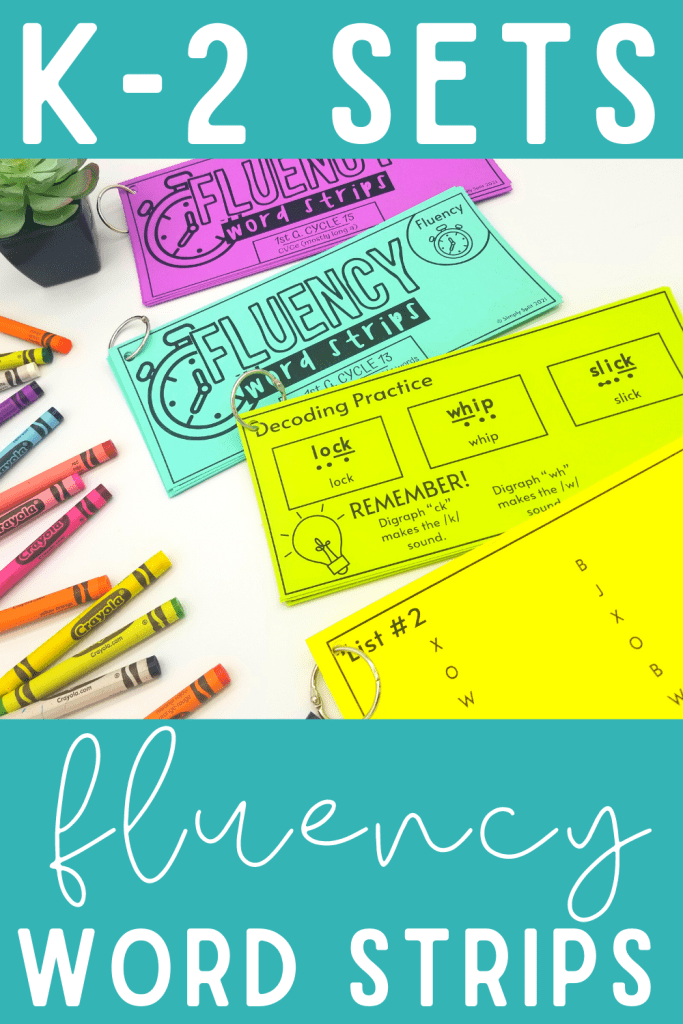
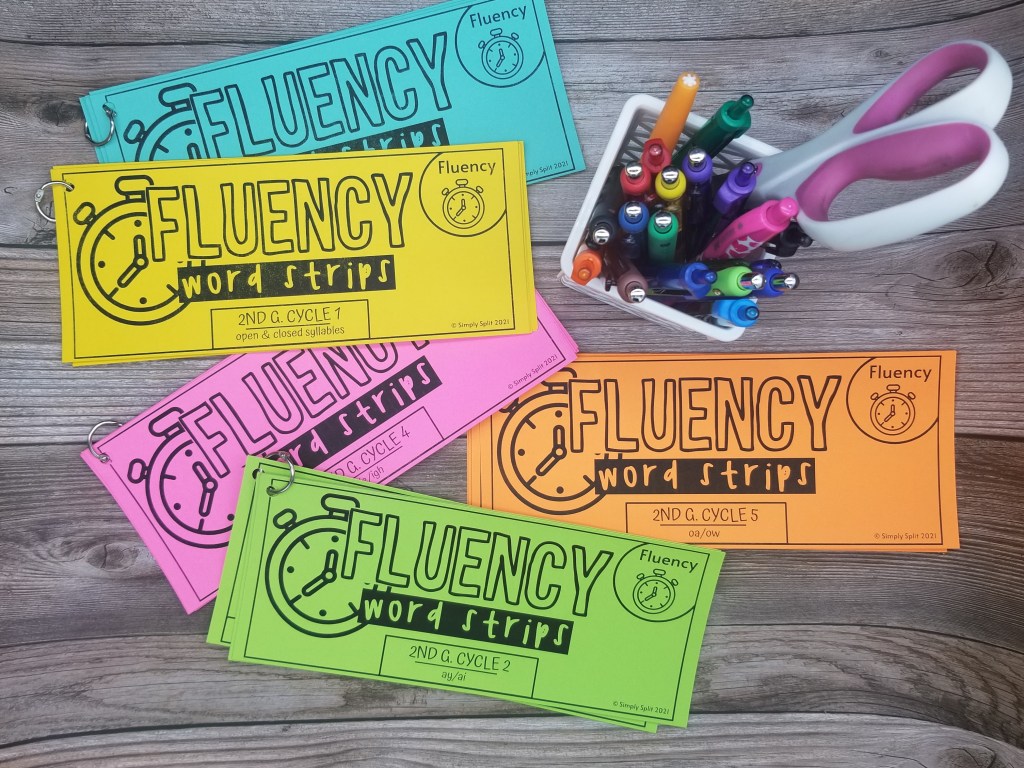
This is a fun and easy activity to implement. It will take some prep if you choose to make your own, or you can try out the fluency word strips I have made byclicking here. This is a pretty easy activity to make for students that need to practice letter names and sounds. All you need is a pocket chart, sentence strips and a pointer. Simply write down the letters you’d like each group to practice on the sentence strips and place them in the pocket chart. When students go to that center, they will have someone point to each letter on the sentence strip as another says the name & sound. This is repeated until they become more and more fluent. Students tend to have a fun time with this activity and find motivation to get better and better.
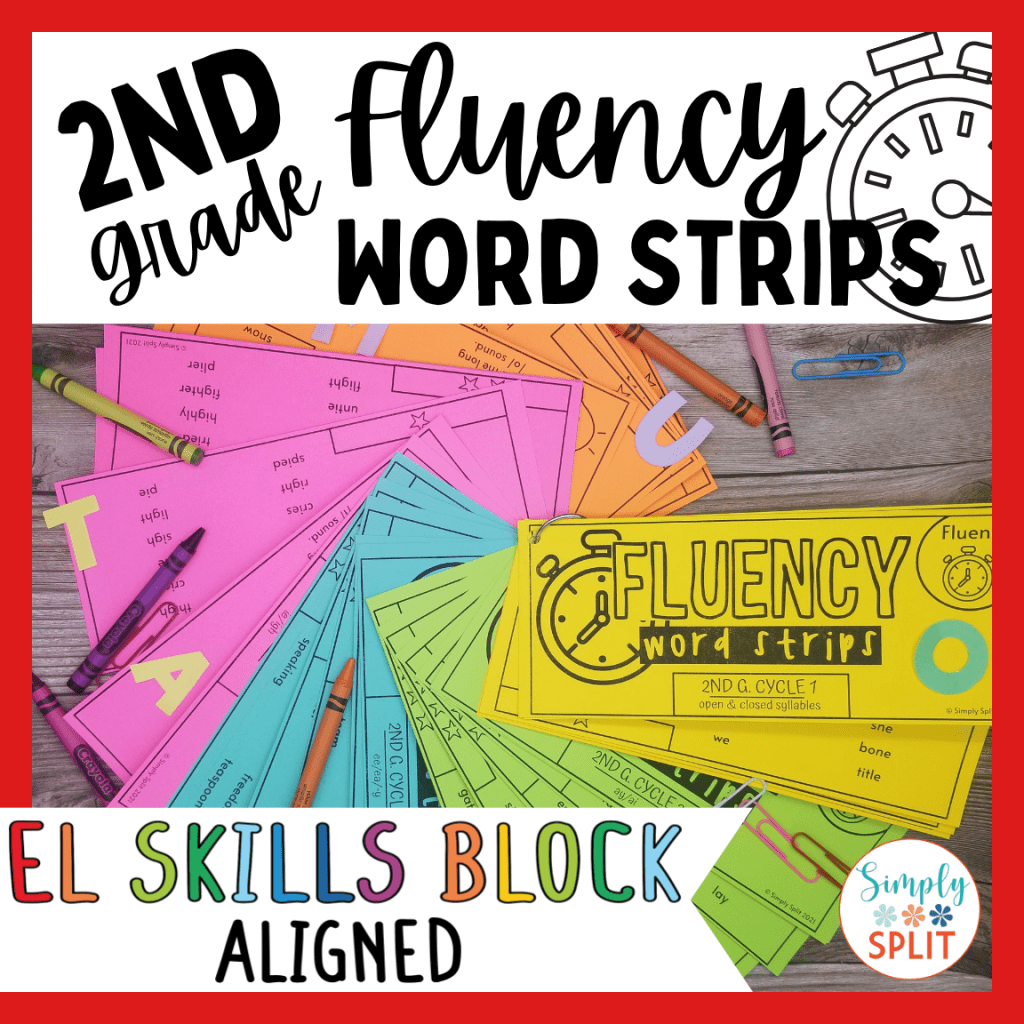
If you don’t like the idea of having to make your own, have no fear, I got you covered. There are 25-26 (depending on the grade level) different packets of fluency word strips that each focus on a different phonics skill. Within each packet, there are 4 levels. This makes it easy to differentiate.
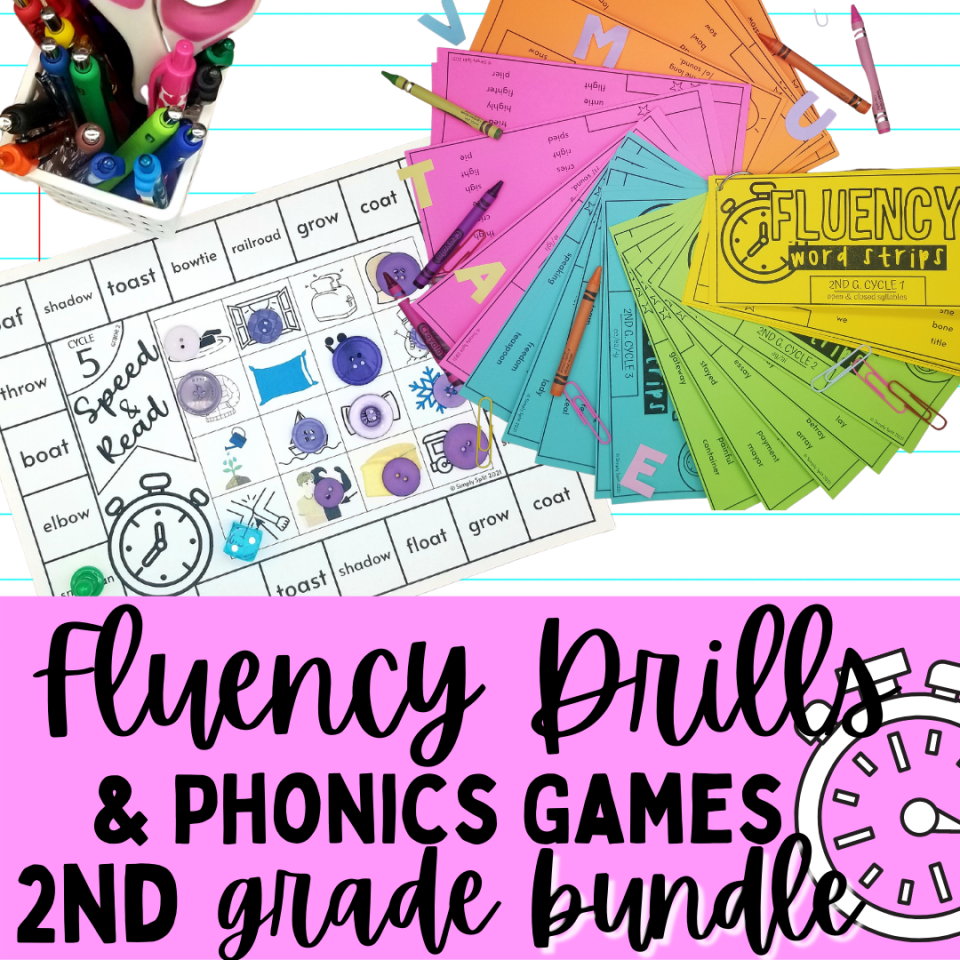
If you like the idea of your students completing all of the levels within each decoding packet, I would definitely suggest purchasing the bundle. In the bundle I have included a puzzle piece game board which aligns with the fluency word strips and can be used as an incentive to pass off each list within the packet. It’s pretty simple, once a student passes off one of the word lists within the fluency packet (reading fluently), they get a piece to the coordinating game board puzzle. Once they pass off all lists, they can put the puzzle together and play the game. The coordinating phonics game board focuses on the same phonics skill practiced in the fluency word strips. The game can be played independently or with a group. Your students will love it and be motivated to pass off each list. Watch the video below to see the bundle in action or click here to view the bundle in my shop.
Teaching students decoding skills might seem like a weird thing to do to increase fluency, but it really works. If you think about it, if a student doesn’t have the skills to decode and sound out a word properly, there’s no way they’ll be able to read fluently. Students that can’t decode very well but can read somewhat often rely on memorization. Memorization can only take you so far and at some point, students that memorize will get stuck. Decoding skills help students in the short term and the long term. It helps students to learn how to sound out simple words and complex words. Once they get enough practice with decoding words and they get quicker at it, they will then be on their way to becoming fluent by reading accurately and quickly.
Decoding flashcards can be so helpful to young readers. They are very easy to make on your own. All you need are index cards and colored markers. Write on each flashcard a word you are working on (I would suggest working on a specific phonics skill and selecting words with that same spelling pattern). Next you’ll want to figure out your own notation system. I like to underline spelling patterns that are familiar, then use an arrow to mark magic e words, and a swoop for the syllable breaks. I would suggest doing these notations in different colors. Then when you use the flashcards, teach students to cover up and only read one syllable at a time. This will help them decode more easily and build their fluency accuracy. Click here to view this decode mode activity.
I used to make all my flashcards by hand and it was very time-consuming (although nice because it’s FREE). I finally buckled down and started making my own printable flashcards and they have been so helpful. If you are looking to save some time, make sure you check out my decoding flashcards. Each flashcard set includes 40 flashcards focused on a specific phonics skill. There are 3 differentiated levels in each set as well. The differentiated levels are all the same words, but they don’t have all the decoding helps (as some students may not need as much guidance). You can bundle and grab all of the 2nd grade decoding flashcards (26 sets) for a discounted price. Other grade levels (kindergarten and 1st grade) will be coming soon as well.
Some students simply have not had enough practice with blending words quickly and smoothly. When students aren’t able to blend quickly and smoothly, this will definitely affect their fluency.
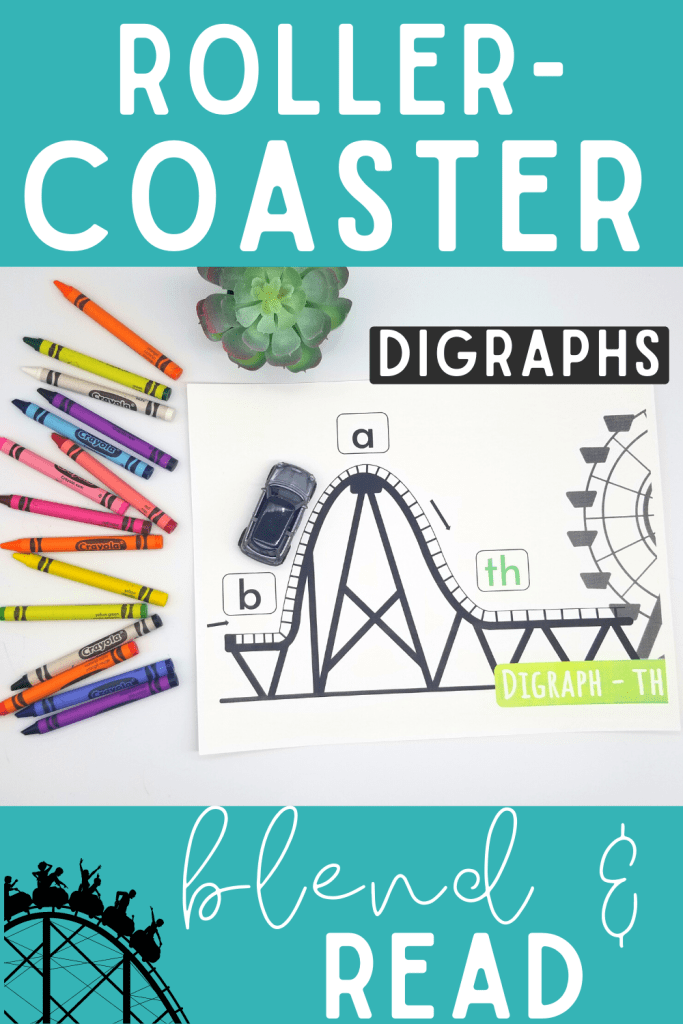
My favorite activity to help students blend more smoothly and quickly is shown below.
This is such a FUN and ENGAGING blending activity that your students will love, and it will actually help to improve their blending skills. As shown in the video, I like to use a toy car as the blend-er. Students simply roll the toy car on the rollercoaster over each letter as they blend the sounds together out loud.
This product is sold in a CVC Bundle or a Digraph Bundle. You can also buy short vowels or individual digraphs on their own outside of the bundle.
Try out some of these tips and let me know how they go! I’d love to hear how it influences your classroom.
If you feel like you never have time to complete all of your teacher tasks, you are not alone. This is a common feeling amongst teachers and because of this, teachers often get burned out very quickly. In order to avoid feeling burned out and still get all the important things done, it’s important to figure out how to streamline your processes to make better use of your time. In order to save my sanity, I figured out a great way to help save me time when it comes to planning my small group lessons that has worked really well for me. I’m going to share some of my favorite secrets to help you get more accomplished and hopefully feel less burned out.
Keep in mind that in order to make this a streamlined process, it will take some initial prep. This initial prep will end up saving you SO much time in the long run though. Once you have things organized, you will thank yourself in the future when you are able to successfully prep your small group lessons in 5 minutes or less.
Also note that it is possible to completely bypass a good majority of the prep work and skip steps 1-4. If you’re looking for less upfront prep work, skip to the end of step 4 and read the section labeled “Want something even more streamlined and with less up-front prep work?”
First, you will want to figure out what phonics scope and sequence you are going to follow within your small group lessons. If you have a phonics program that your school has adopted, use the scope and sequence provided and follow the order that each phonics rule is taught.
If you don’t have an adopted program, I would suggest choosing a program that is research based and follows the science of reading (SOR).
I highly recommend following the EL Skills Block curriculum. You can access all their manuals online for FREE and it is research based. This is a K-2 program. I have made several activities that align with this program which you can use to supplement any lessons or use in centers.
Another great scope and sequence to follow is the one that LETRS includes in their manuals. Their scope and sequence is laid out very nicely and specifies when each phonics skill should be mastered for reading and for spelling (they are at different times). Their scope and sequence is planned for K-3 students.
Next, you’ll want to create word lists that follow each of the phonics skills in your scope and sequence. This may seem silly, but it can be hard to think of words right on the spot and you’ll want to have this already figured out to streamline this process.
If you are using the EL Skills Block curriculum, I have pre-made spelling word lists that align with their scope and sequence. You can grab a copy for the grade level you teach from my TpT shop. However, I highly recommend getting the K-2 bundle, the reason being that you will have students that are above or below grade level and you will want to be able to accommodate them and have materials and resources already prepped.
I keep a stapled copy of all the word lists at my small group table that I can quickly reference when needed during small group lessons.
You may already have some great phonics activities up your sleeve which is great. You can skip this step if you feel strong in this area already.
Some of my favorite low prep activities to do during small group lessons are:
There are some additional small group activity ideas you can check out here. This is a FREEBIE from my teachers pay teachers shop. There are so many great ideas to use as a small group lesson. Most lessons can be adapted by just using a whiteboard which I LOVE because there is no prep needed.
It may be helpful to record the phonics activities you have already and figure out what phonics skills you may be lacking in your resource collection. This can also be used as your lesson guideline that you can use down the line. Feel free to use this FREE template I created to help you organize and analyze what you have and need to still get.
After you have been able to analyze all the materials you have and what you might need, you’re going to want to get all those materials fully prepped. You can enlist help from others so this can be a smooth quick process. Here are a few suggestions:
Contact the education department of a local college. Some colleges may require students with an education major to complete a related service project. Some students may just want to get involved with working with a teacher to gain experience. You can use this to your advantage and ask for volunteers to help prep materials for your classroom.
Ask teachers at your school if they have any students that may have spare time to help. Some teachers may be wanting to do a class service project or may have students that finish with their work early that can volunteer and help in your classroom. It never hurts to ask and see if you can get any help.
Ask for parent volunteers. Parents often want to get involved in the classroom but aren’t always available during school hours to help. I usually get a lot more parent volunteers to help prep materials on their own time rather than volunteers to help in the classroom. It is a great solution and can help save you so much time. One of my favorite ways to get parent volunteers is by using the ClassTag app. I use ClassTag as a way to communicate to all parents and it has a great method for asking for volunteers. When you ask for volunteers on the app, parents can see if the volunteer spot has been filled or not. ClassTag will automatically send out the volunteer opportunity again after a while if it has not been filled to make sure the volunteer opportunity isn’t lost. Since using this app, I was ALWAYS able to get a volunteer opportunity filled.
You may be facing a lot of challenges or feel stuck if you are just starting out with teaching small group lessons or are teaching a new grade level, or maybe small group lesson planning is just not your thing and you are trying to improve. You may just not have time to do the upfront prep work. Whatever problem you may be having, I can help you out. I have made small group lesson plans for the whole year that you can use. They follow the EL Skills Block Phonics Curriculum which is research based. All you need to do is print it out and get familiar with the different activities used throughout the booklet and your small groups are set! There are learning targets, word lists, and great research based activities to teach each phonics skill. You can adapt most activities to work with just a whiteboard. There are 1st grade and 2nd grade options to purchase. If you have students on various levels, you may want to grab both 1st and 2nd grade levels. This will help save you quite a bit of time and make it possible to skip over steps 1-4. Click below to see more details about these resources.
Before starting centers, you need to assess students, this is so you know how to group students AND what skill each group needs to work on. If you don’t know where to start when it comes to assessing and grouping students, I have another blog post all about this. You can check out this blog post by clicking here.
I personally really like to use the assessment that EL Skills Block provides with their curriculum. It systematically helps group students after they are assessed AND it tells you exactly what skill that each group should focus on next. It aligns with the other helpful resources talked about in this post. You can check out my version of this assessment by clicking here.
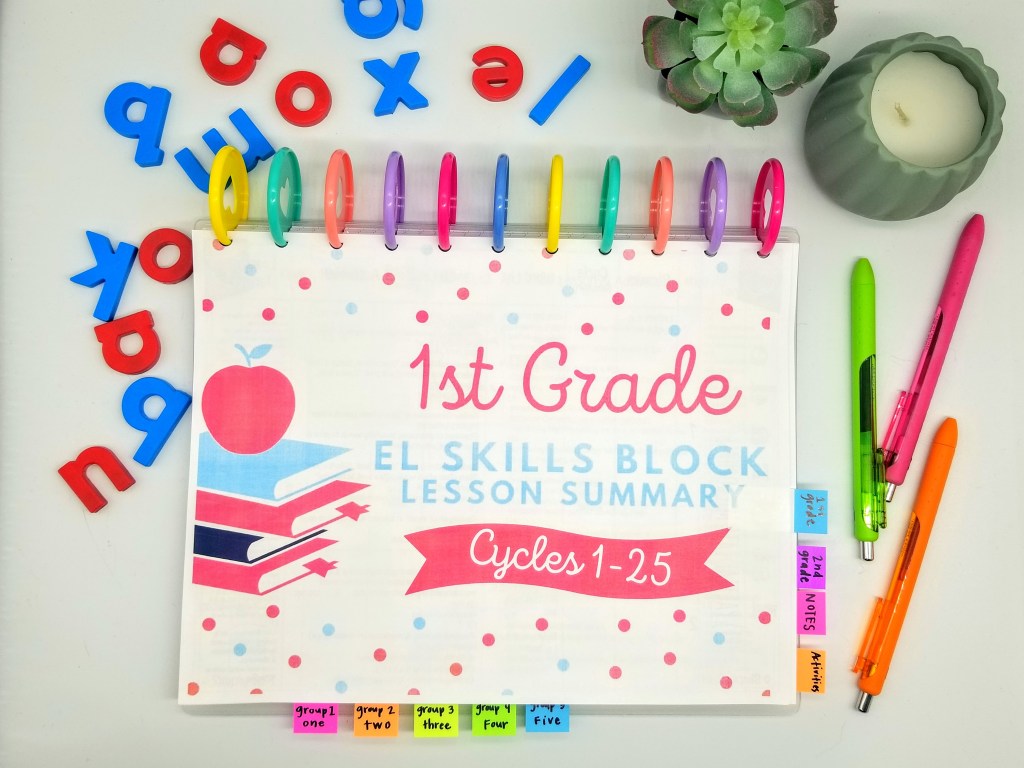
After you have been able to assess all your students, put them into groups, then comes the easy part. All you need to do is find the matching skill each group is working on. You should be able to easily find this if you filled out the FREE TEMPLATE or if you purchased the small group lesson activities. I like to place a tab for each group next to the lesson they are on. It looks something like this:
Now my weekly prep is literally moving each group tab marker up to the next phonics skill and pulling any pre-made materials if needed for the included activities. It really is that easy.
Where it does take initial prep which may be daunting, I promise you that in the future, you will thank yourself for making things streamlined. You can then use these materials year after year and will save so much time!
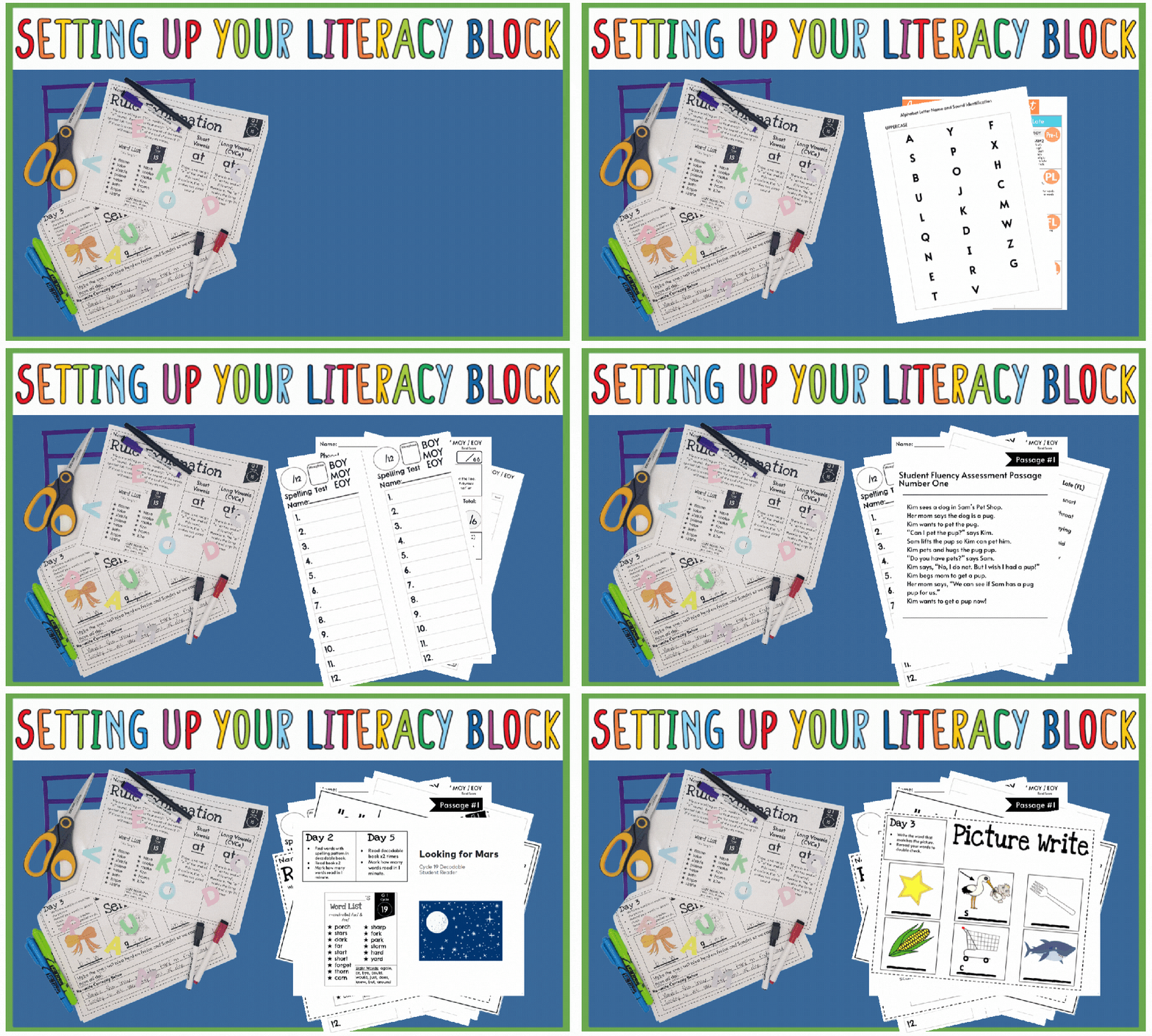
If you are new to EL Skills Block and are trying to figure out how to get your literacy centers set-up and ready aligning with the Skills Block program, you’ve come to the right place. There is a big learning curve when it comes to implementing the EL Skills Block program and it can be quite overwhelming when you’re getting started. I have made dozens of phonics resources that align with the EL Skills Block program to help get new teachers started in the program and feel confident while they are implementing it.
If you have already administered the appropriate Skills Block assessments AND grouped your students accordingly, please skip to #2.
If you have not been trained on how to administer and group your students using the Skills Block assessment, I would suggest reading my previous blog post that explains this first step in great detail. You can view this post by clicking here.
This is a crucial step so you can group your students correctly, PLUS see what skill each group should focus on. Below is a shortened version of what you need to do.
Perform appropriate assessments
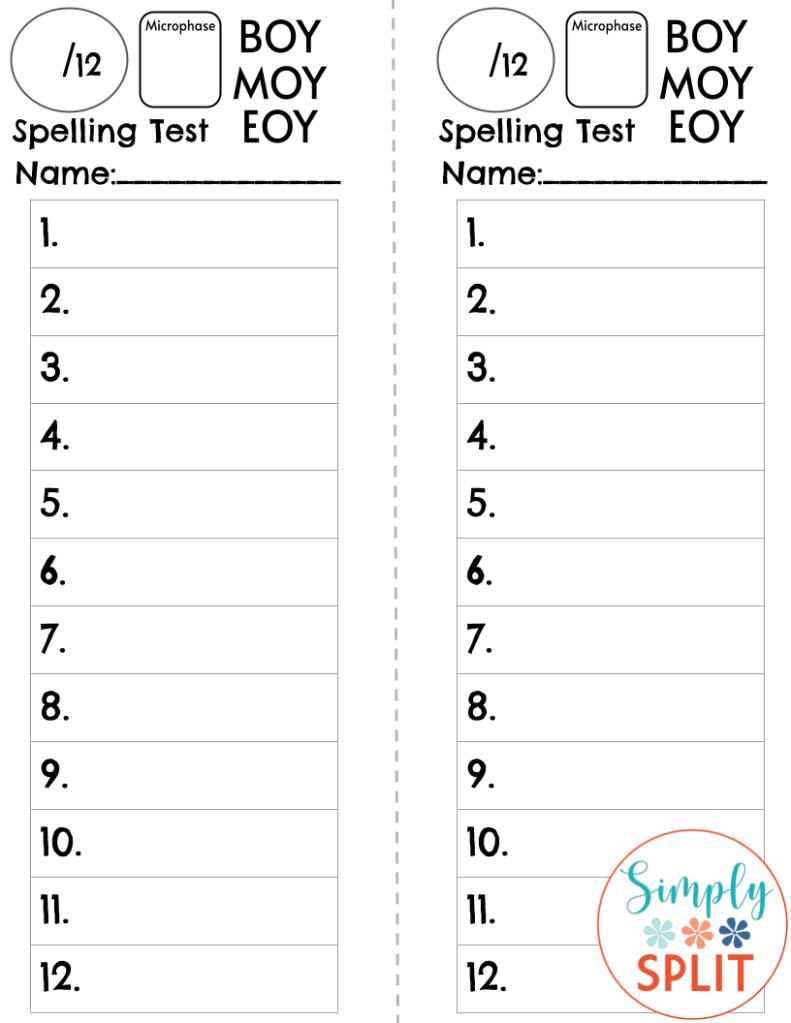
The appropriate assessments will vary based on the grade that you teach. The 2 most important assessments when it comes to grouping your students are the spelling assessment AND the decoding assessment. You may need to give a student a second spelling/decoding assessment if they master the spelling list/word list OR if they struggle too much. This helps you hone in on the precise level they are on.
Determine each student’s microphase.
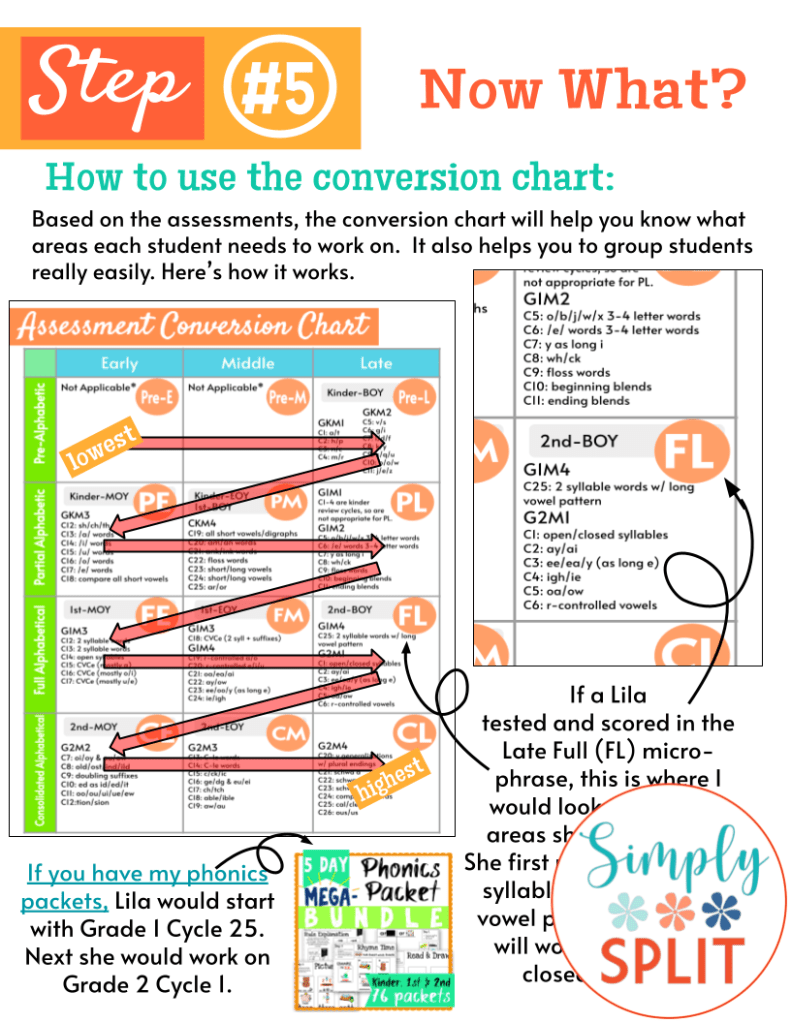
The spelling and decoding assessments can help you determine each student’s microphase. Each of the microphases are listed on the conversion chart inside the resource manual. I like to abbreviate each microphase making it quicker to group and see their exact level. I abbreviate like so in ascending order: (E=Early; M=Middle; L=Late)
-Pre-Alphabetic: Pre-E, Pre-M, Pre-L
-Partial Alphabetic: PE, PM, PL
-Full Alphabetic:FE, FM, FL
-Consolidate Alphabetic: CE, CM, CL
Write each student’s name in the appropriate microphase.
I created a sheet to make grouping easy that looks like the picture shown. You can purchase this sheet along with the full EL Skills Block assessment + data analysis sheets by clicking here.
I would suggest printing two copies of the blank conversion chart and labeling one as “spelling” and the other as “decoding.” Then write each student’s name in the appropriate microphase. This will help you visually see how students can be grouped.
Make Literacy Groups
You’ll have to decide which data you’d like to use to group your students. Students will usually score lower in spelling and higher in decoding. For this reason, I like to use the spelling data to group students and I use the decoding information to help me make more specific decisions if needed. If a group is too large, you can look at the decoding list to see what student would be best to move to a higher or lower group.
You can see how I grouped these students based on their microphase in the picture.
EL Skills Block makes this extremely easy. Once you have grouped your students, all you need to do is look at the conversion chart to see what lesson each group should focus on. For example, if you have a group in the Full Middle (FM) microphase, they would be on Grade 1 Module 3 Cycle 18 which focuses on CVCe (2 syllable words + suffixes). They would next move to Cycle 19 which focuses on r-controlled vowels (ar & or).
This is what the conversion chart looks like:
You can see how I grouped and leveled my students by watching the video below.
FREEBIE ALERT!! Grab this freebie to help you organize your group information and what needs to be prepped each week. There are three different options included in the freebie depending on how many groups you may have. There are 4, 5 & 6 group options. It also includes a poster of each group that you can use for labeling purposes if needed.
There are a few different ways you can use these organizational sheets. You can print several copies and cut off the bottom part on all but 1 copy. I would suggest laminating the full sheet copy (after you have written who is within each group). Then you can write what microphase & cycle each group will be working on each week, along with the number of copies you need, plus what needs to be printed & prepped.
OR
You can laminate one sheet and use a dry erase marker to write what needs to be prepped each week. This option can be a bit trickier if you have a lot to write down and prep.
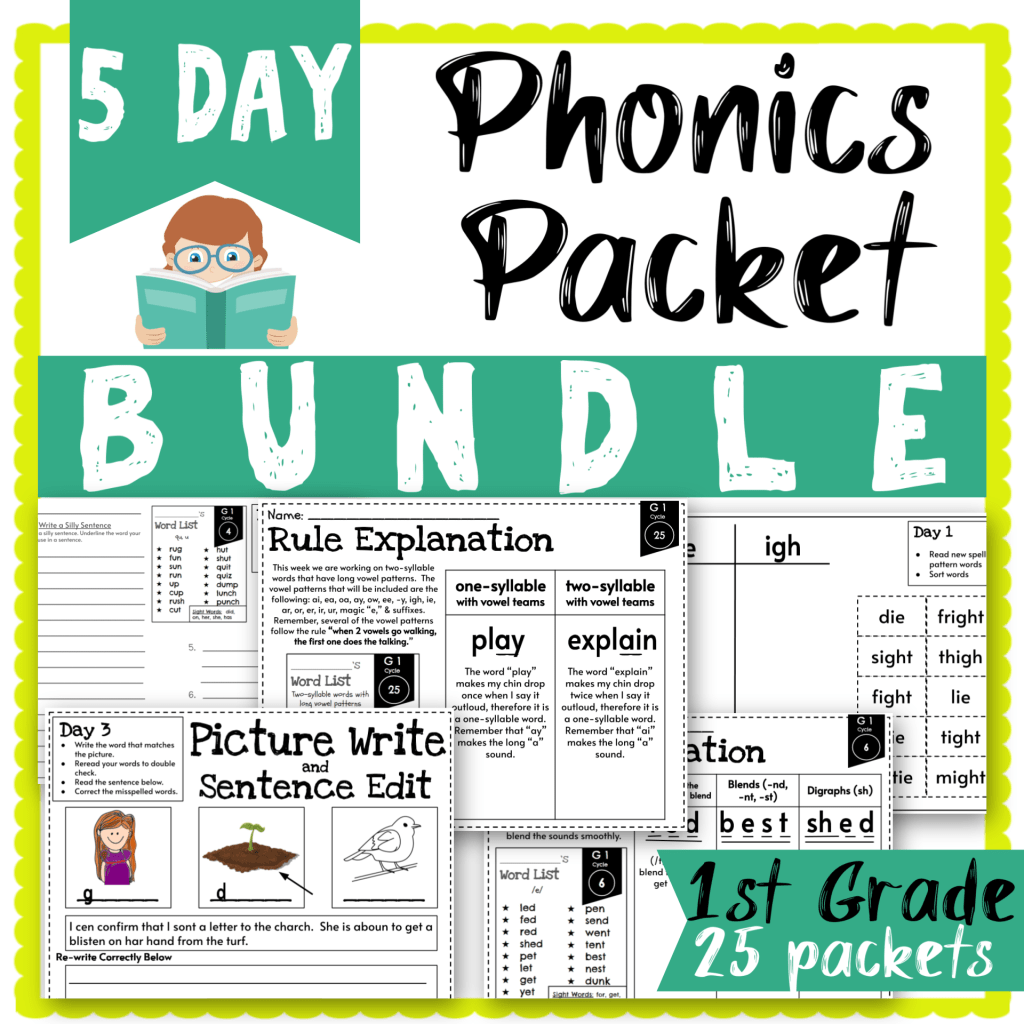
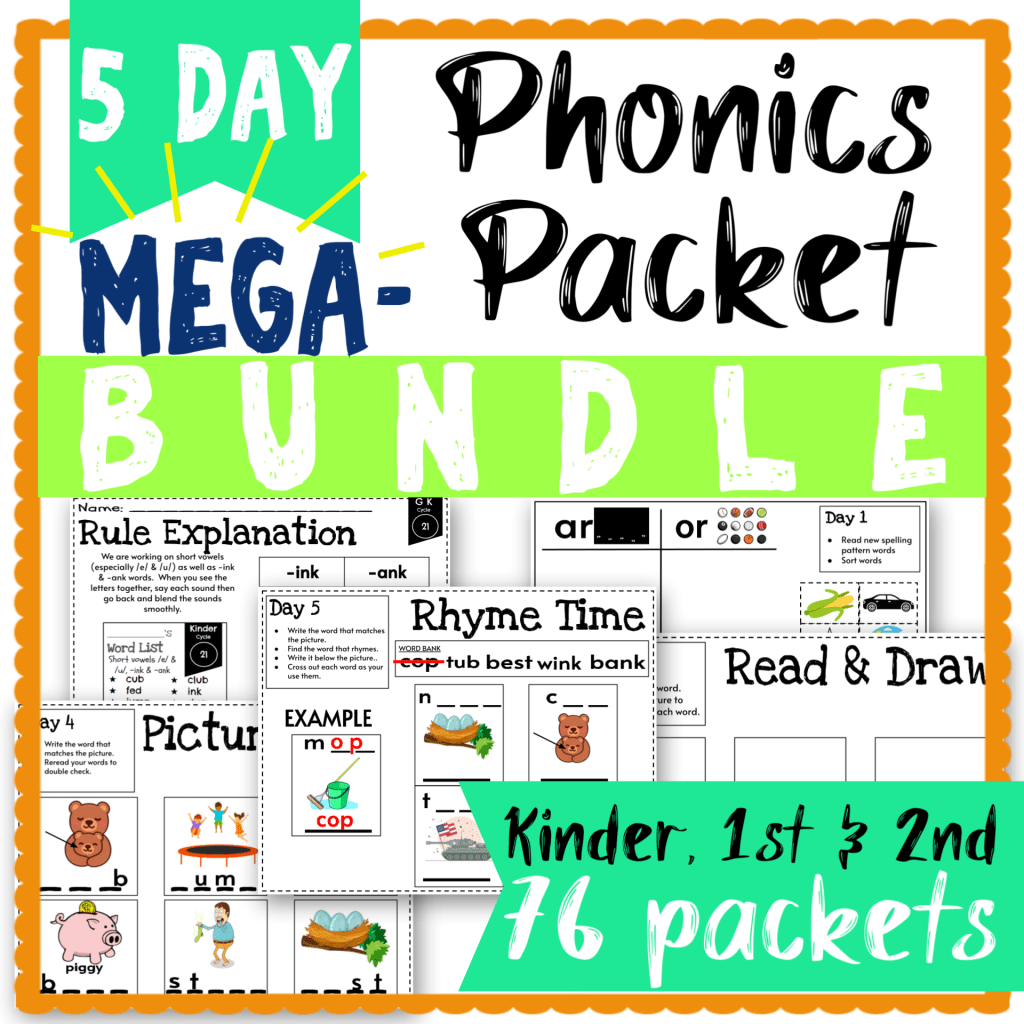
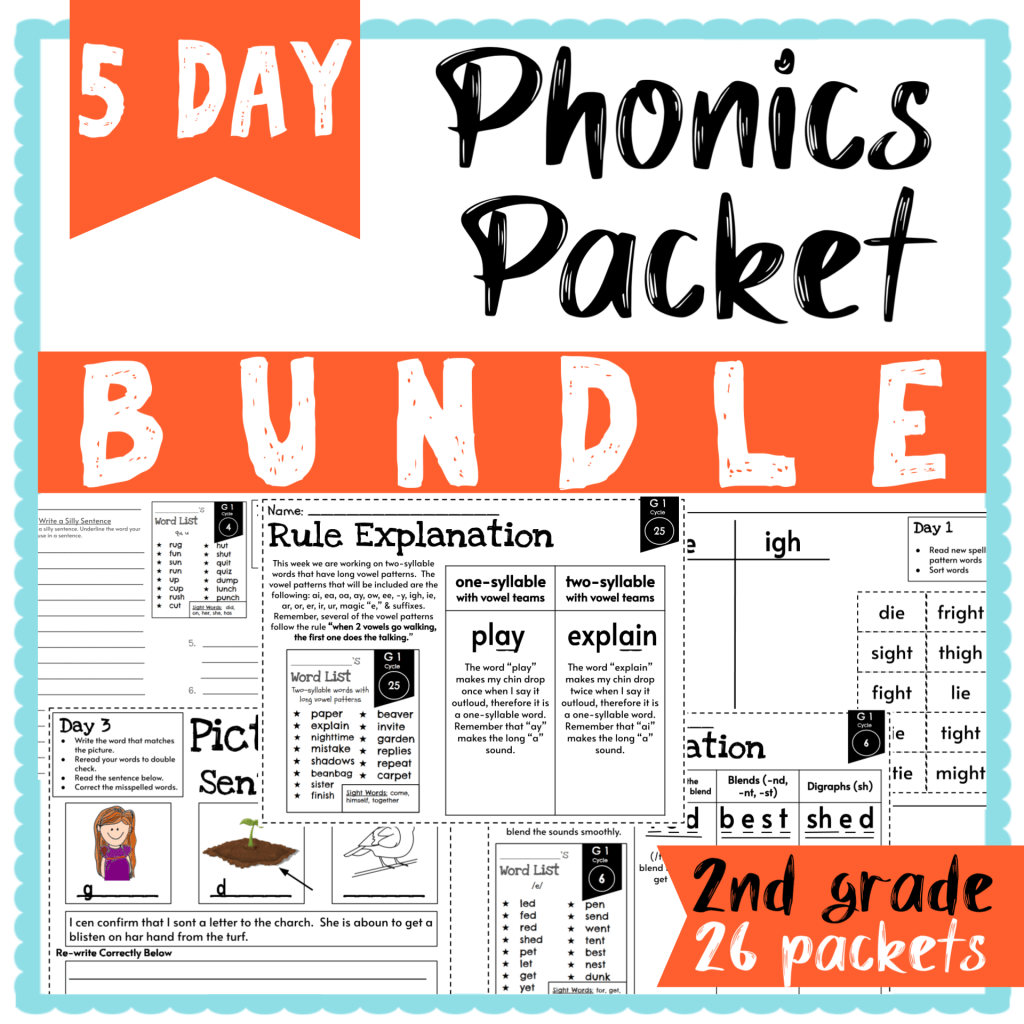
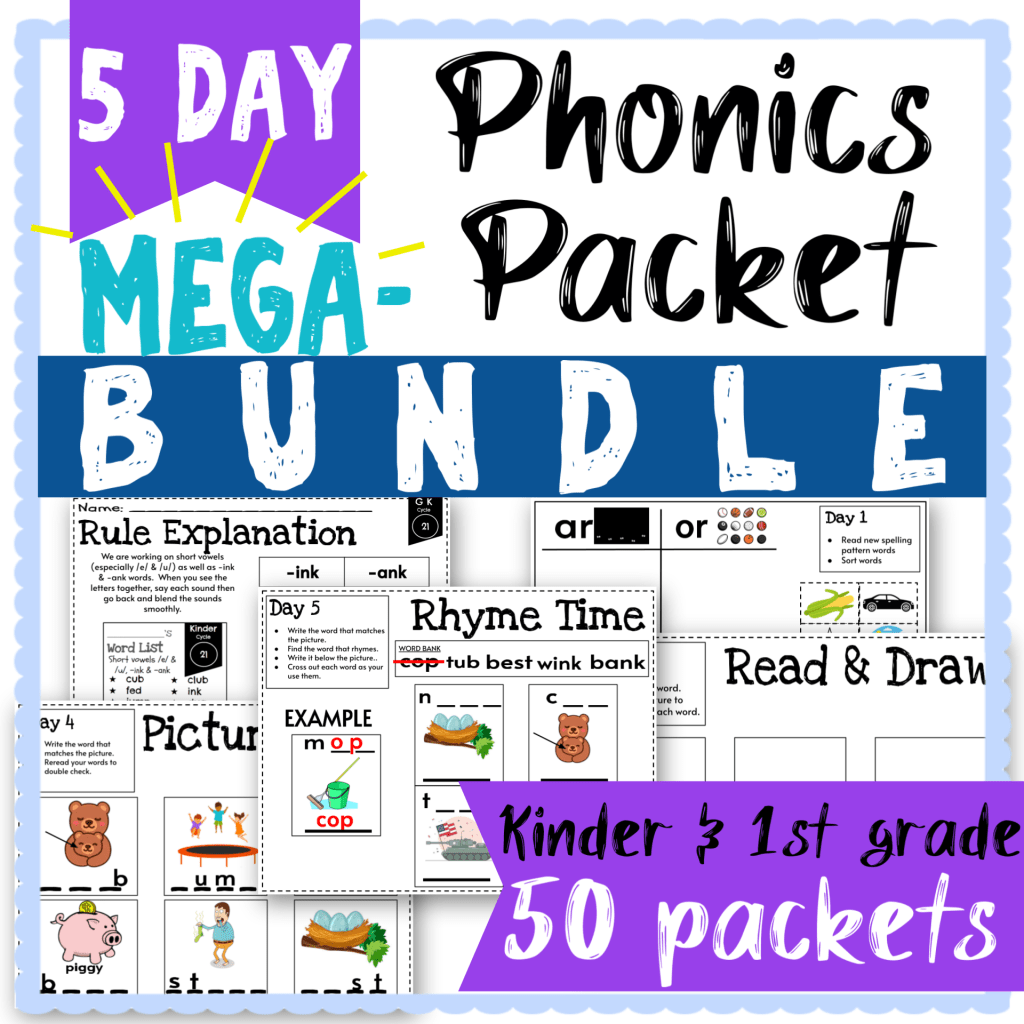
I have made several literacy centers that align with EL Skills Block. If you are just starting out and need something low prep, I would highly recommend using the 5 Day Phonics Packets I have listed in my store. They are print and go, making it super manageable while you’re getting the hang of EL Skills Block. They are also easy to differentiate. There is 1 packet for each cycle which includes 5 activities to do for the whole week. There are kindergarten, 1st grade and 2nd grade options available with lots of bundling options.
Above is a video preview of the kindergarten packets. Click below to view product.
Above is a video preview of the 1st grade packets. Click below to view product.
Above is a video preview of the 2nd grade packets. Click below to view product.
Note that it may be helpful to buy a multi grade bundle so you can easily differentiate. With the EL Skills Block program, it is common for you to have students in kindergarten, 1st grade OR 2nd grade levels all within one class.
I am currently making dozens more centers that align with EL Skills Block. Below are the items that align with EL Skills Block and are already posted and ready to be purchased:
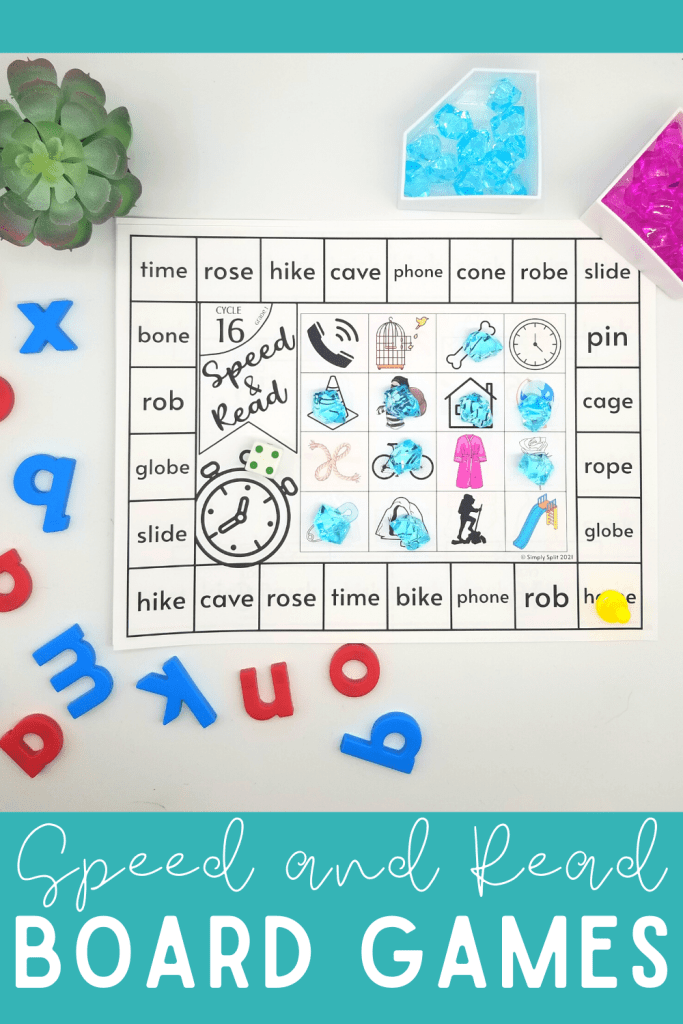
Phonics Speed & Read Board Games – works great in conjunction with the fluency word strips (available for 2nd grade – kindergarten & 1st grade will be released at the beginning of 2022)
Spelling Word Lists – perfect for a word work center (available in kindergarten, 1st & 2nd grade)
Fluency is such an important part of reading but often can be frustrating to teach or help young readers learn. If you find your child or student frustrated when reading or practicing to read fluently, it may be time to try a different approach. Before we talk about HOW to increase fluency, let’s first talk about WHAT fluency is.
Often when we think about fluency, we only think about reading speed and forget about the other aspects of fluency. If you solely focus on speed, then students will likely get in the habit of not comprehending what they are reading or may even begin to HATE reading, which is a hard mindset to change. As parents or educators, we do NOT want to fall into this trap and in turn cause children to dislike reading. Therefore, it is important to focus on all the aspects of fluency.
The three aspects of fluency are:
Accuracy
Making little to no errors while reading
Reading Speed
The rate at which a student reads. Often measured in WPM (words per minute)
Prosody
Reading aloud with proper intonation, phrasing and expression
Okay so you might be wondering why this is important? Well, teaching all of the aspects of fluency will overall help to increase fluency. Therefore, you will want a good variety of fluency activities that focus on each of the three aspects of fluency.
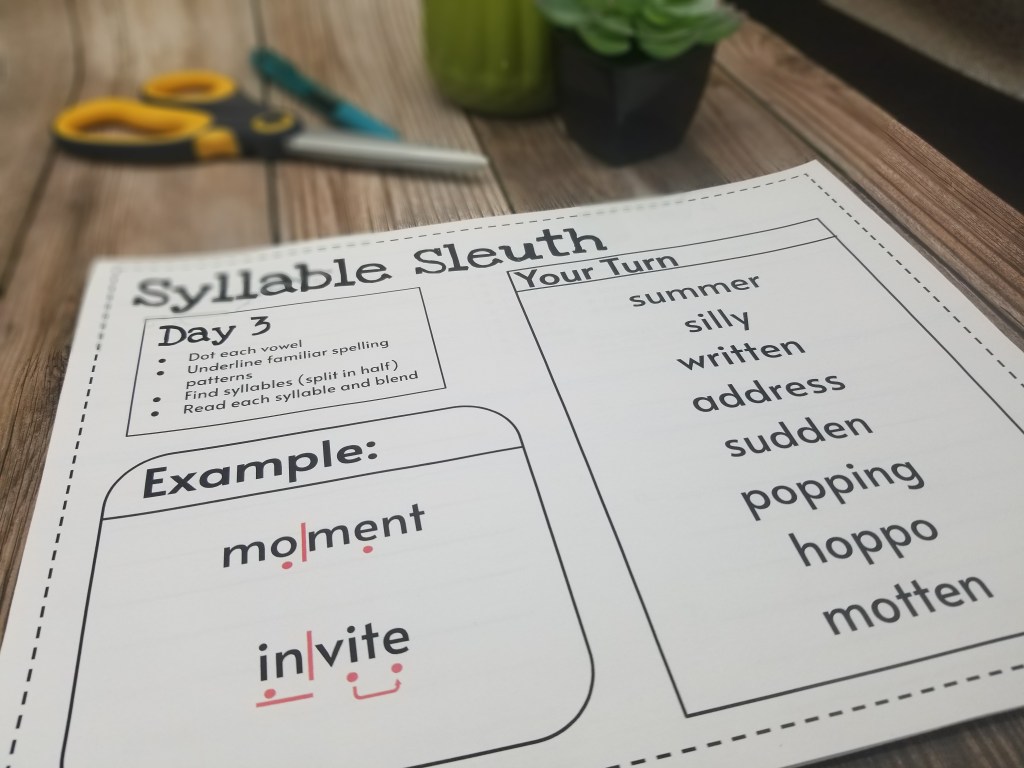
Learning to decode is so important for young readers. Teaching phonics skills explicitly will help prepare students to decode accurately. My favorite activity to practice decoding is what I like to call “decode mode.” If you use the EL Skills Block Program, they refer to this activity as “syllable sleuth.”
Watch the video to see what decode mode/syllable sleuth sheet looks like. You can also preview what the full packets for each week look like.
In this activity, students become little detectives as they analyze the word. The steps are the following:
Look for the vowels and place a dot under each of the vowels.
Underline spelling patterns that you know and recognize.
If there is a “magic e” draw an arrow to the vowel it affects.
Find where the syllable break is and draw a line or swoosh to separate the syllables.
You will need to make sure most if not all syllable types are taught prior to practicing this activity.
Lastly, read each syllable separately then blend them all together.
This activity can be done with 1 syllable words as well, simply forego steps 4 and 5. This is such an effective technique. My lower students will sometimes need help, but they are always so surprised and impressed that they can read longer words.
This activity is very low prep and very effective. You can make your own words and have students copy in a notebook or whiteboard which costs you nothing. If you are looking for something already made that’s print and go, check out these phonics packets. They include a syllable sleuth/decode mode activity in most weekly packets along with other activities focused on the same phonics skill. Click on the picture or here for the link.
26 packets with fun phonics activities including: syllable sleuth/decode mode, decodable books, word sorts, silly sentences and more!
Planning repeated readings in the classroom can be very effective in increasing fluency. Students can gain confidence in the words they are reading because they have already read through it once. This helps them to be able to read more quickly. Students may dread repeated readings so it’s important to talk about why you are having them repeatedly read the same material over and over again. I suggest perhaps doing a mini lesson on repeated readings and discuss the importance of them towards the beginning of the year or prior to implementing repeated readings. A few ways to make it more engaging are:
Timed readings
This is a tricky one. Students can dread timed readings IF it is done too frequently and not properly explained. Students should know that they should NOT be competing with other students to read more quickly. Instead, teach a growth mindset and to compete with THEMSELVES. This way students can have motivation on their own to continually grow.
Fluency voice cards (FREEBIE ALERT)
This is a great way to increase engagement. Students pick a fluency voice card and read the passage in whatever voice is listed on the card. This way repeated readings won’t feel too redundant. Each time the passage is read, it will be a little bit different. You can grab this freebie by clicking below and subscribing. The FREEBIE will then be sent to your email.
Get these FREE fluency reading voice cards sent right to your email by clicking here.
Echo reading is an easy strategy to implement. You can do this with a short passage or a book. It can even be done with other subject material. The teacher/adult will first model reading the excerpt with the words displayed for the child/class to see. A document camera is good for this or a big book. The teacher/adult should point to the words as he/she reads them for the students to follow along. After modeling how to read, students will then “echo” and all will read together as the teacher/adult points to the words a second time. This helps students with reading all aspects of fluency, accuracy, rate & prosody and is such an effective AND easy strategy.
This is a fun and easy activity to implement. It will take some prep if you choose to make your own, or you can try out the fluency word strips I have made by clicking here. This is a pretty easy activity to make for students that need to practice letter names and sounds. All you need is a pocket chart, sentence strips and a pointer. Simply write down the letters you’d like each group to practice on the sentence strips and place them in the pocket chart. When students go to that center, they will have someone point to each letter on the sentence strip as the other says the name & sound. This is repeated until they become more and more fluent. Students tend to have a fun time with this activity and find motivation to get better and better.
If you don’t like the idea of having to make your own, have no fear, I got you covered. There are 25-26 (depending on the grade level) different packets of fluency word strips that each focus on a different phonics skill. Within each packet, there are 4 levels. This makes it easy to differentiate. You can also encourage students to try and decode the harder lists by using the strategies from the decode mode activity (syllable sleuth) which is explained above.
If you like the idea of your students completing all of the levels within each decoding packet, I would definitely suggest purchasing the bundle. In the bundle I have included a puzzle piece game board which aligns with the fluency word strips and can be used as an incentive to pass off each list within the packet. It’s pretty simple, once a student passes off one of the word lists within the fluency packet (reading fluently), they get a piece to the coordinating game board puzzle. Once they pass off all lists, they can put the puzzle together and play the game. The coordinating phonics game board focuses on the same phonics skill practiced in the fluency word strips. The game can be played independently or with a group. You’re students will love it and be motivated to pass off each list. Watch the video below to see the bundle in action or click here to view the bundle in my shop.
Click below to view the bundle or decoding strips sold on their own.
This two fold activity works as follows. First, students will be able to practice reading with expression and rate. I love this strategy because students have so much fun with readers theater. They won’t even realize that they are practicing fluency. You can do as much or as little with this activity as you want. Students can make props to help to add to the role, perform for the class or parents, or it can just be a simple reading practice in small groups.
You will need to find an appropriate leveled readers theater and provide a copy (or share) with students for each part. I suggest highlighting each role throughout the whole script for each part so it is easy for students to find their part. You can do this yourself, ask for parent volunteers, or if you feel your students are capable, have them highlight their part on their own. I would suggest modeling the reading to your group of students first, then you can have them practice reading through the script as a group. This will help students hear how to read with expression and also help students with reading any unfamiliar words that are in the script.
If you would like some suggested materials for younger grades to use for readers theater, check out these below:
Try out some of these tips and let me know how they go! I’d love to hear how it influences your classroom. If you’re interested in any of the mentioned products from my shop, you can find the links below.
Are you stuck trying to up your game when it comes to reading rotations? THAT was me a few years ago. I struggled knowing how to best form groups. I struggled knowing WHAT to teach in my small group lessons. If this sounds like you, you have come to the right place! I am going to teach you how to master reading assessments so you know how to form reading groups easily, PLUS help you know what to teach in your small group lesson. Although I have more experience in kindergarten through 2nd grade classes, other grade levels can gain insights to help them in their classrooms as well.
Forming groups first starts with your assessment. You need to assess students in order to know what level each student is. This will help you see which students are close to or near the same level so you can form those groups. The assessment that I use follows the EL Skills Block reading program. Although this follows a program, this assessment is helpful for ANY teacher.
The most important assessments to perform in a 1st or 2nd grade classroom are the following:
Decoding
Spelling
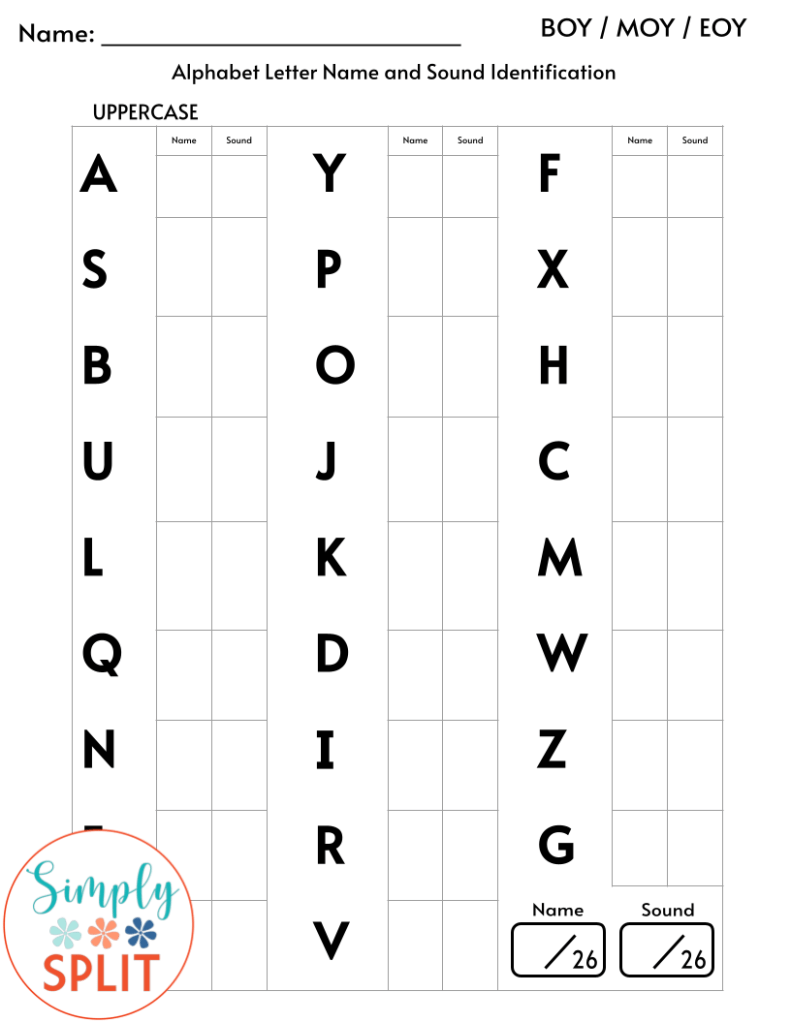
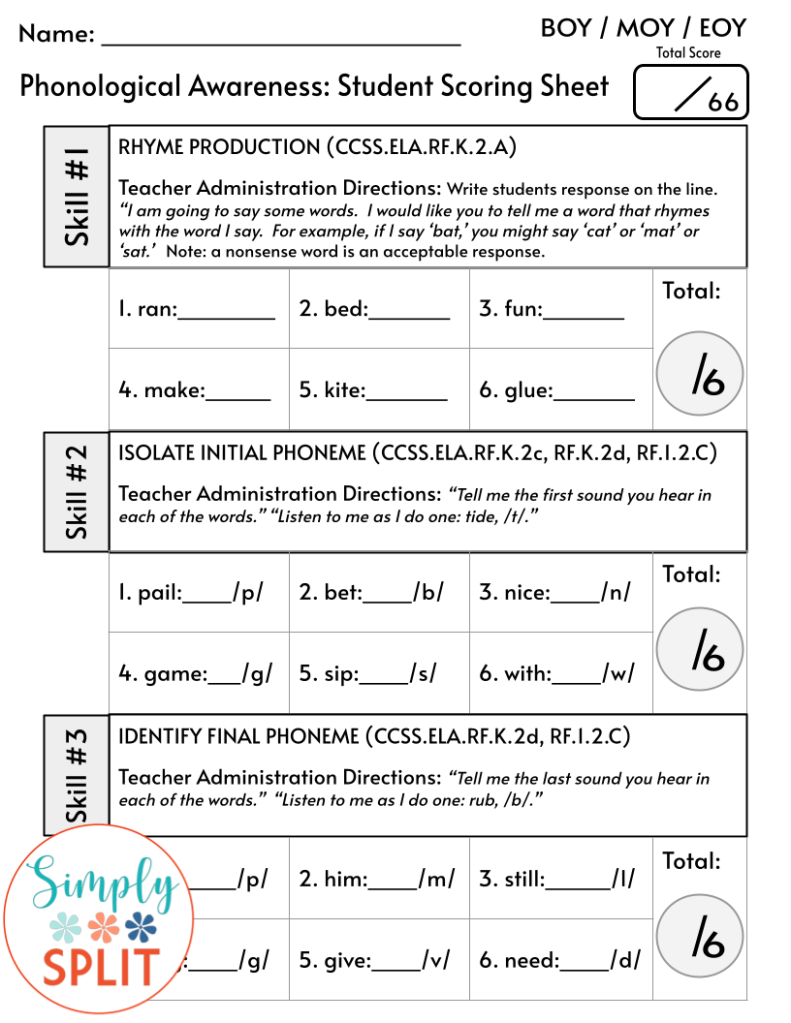
If a student struggles in both of these areas, I would suggest doing a phonological screener and letter name & sound identification.
Finding time to assess each student can be SO hard if you have no help to do so. I will give a few suggestions to help you complete these assessments quickly and systematically.
One suggestion is to give this assessment whole group. The main drawback with doing this, is that some students may need an easier or harder spelling assessment. Make your best judgement about what spelling test level to give to your class as a whole. Once you grade the spelling test, you can see which students need to be tested on a higher spelling test and which ones need a lower spelling test. Make a pile of those that need a different spelling test and try to test them together in a small group. One thing I do to help facilitate this is that I usually do not have small groups come to the teacher center when I’m assessing and use that time to assess students instead.
Also, during reading rotations, I usually don’t have students come to the teacher as a center and I use this time to assess as well. Decoding should not take very long. I can usually finish a student in 1-2 minutes. If you have already given the spelling test, you can easily estimate what decoding list you may want to start with. Keep in mind if a student reads 8 or 9 words accurately AND automatically, you should have them read the next higher decoding word list. If a student reads 5 words or fewer without accuracy AND automaticity, they will need to read the next lower decoding word list. I will usually count to 3 in between each word. If they don’t read it quicker than that, it is NOT considered automatic. If a student is struggling, don’t make them suffer through that word list, stop them as soon as possible and move on to a lower decoding word list.
Other assessments that may be helpful are:
Phonological screener
Letter names assessment
Letter sounds assessment
Fluency assessment
Comprehension assessment
These assessments will give you a lot more information and help you see the whole picture for each child. Note that these assessments are much more time consuming and may not be necessary for EVERY child. I would suggest starting with the spelling and decoding assessments and see what students need additional assessments.
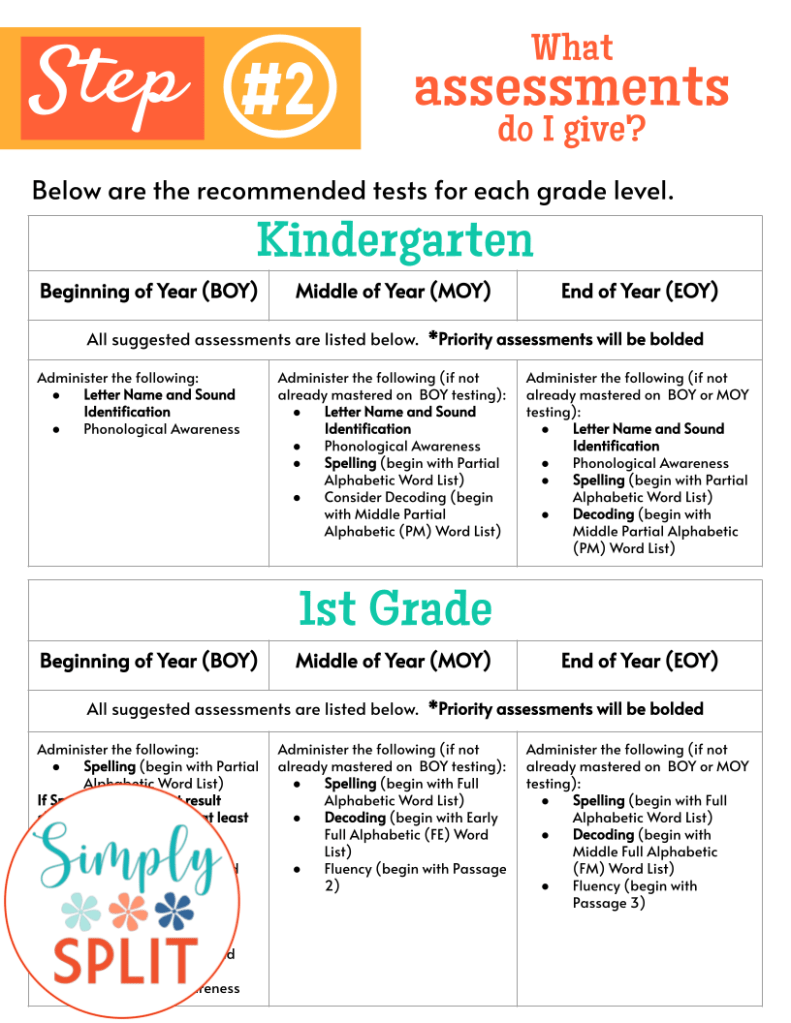
You can download for FREE a explanation of ALL of these assessments plus the explanation of HOW to group your students for easy referencing. I suggest keeping a copy of this in your assessment folder. Click below to download. You can see a preview of it below as well.
Once students have been assessed AND you have determined their EL Skills Block microphase, grouping students becomes a breeze by using the assessment conversion chart!
The chart progresses like the image below shows.
Using the blank assessment conversion chart template, you’ll write down each student’s name in the microphase that they land in. The process looks like the video displayed below.
Next, you’ll group them. For the most part, students in the same microphase will be in the same group. However, you may need to split some microphases or combine them depending on the size of each group. You can look at the decoding assessment microphase to help you do this. It may look something like this when you finish grouping.
By looking at the assessment conversion chart you can see what phonics skills should be taught within each microphase. Therefore, if you’re group is mostly in the Full Early (FE) microphase, they will be working on 2 syllable words. You can see how each of the groups should be leveled in the pictures below.
If you’re interested, click below to purchase the full assessment bundle including data tracking.
Okay now you have your reading groups made, but how in the world do you plan work for them? How can you make the work align with what they NEED and still make it easy for you to prep? This may seem difficult, but these packets will make it much easy for you. All you need to do is find and print the coordinating packet and assign to each group. How easy is that? Here’s a FREEBIE sample of what the packets look like for 1st grade.
Below is a preview of what the other packets look like. If you’re interested in purchasing the bundle of these packets, please click below. They are sold by grade level, or you can bundle and save by purchasing the multi-grade bundle.
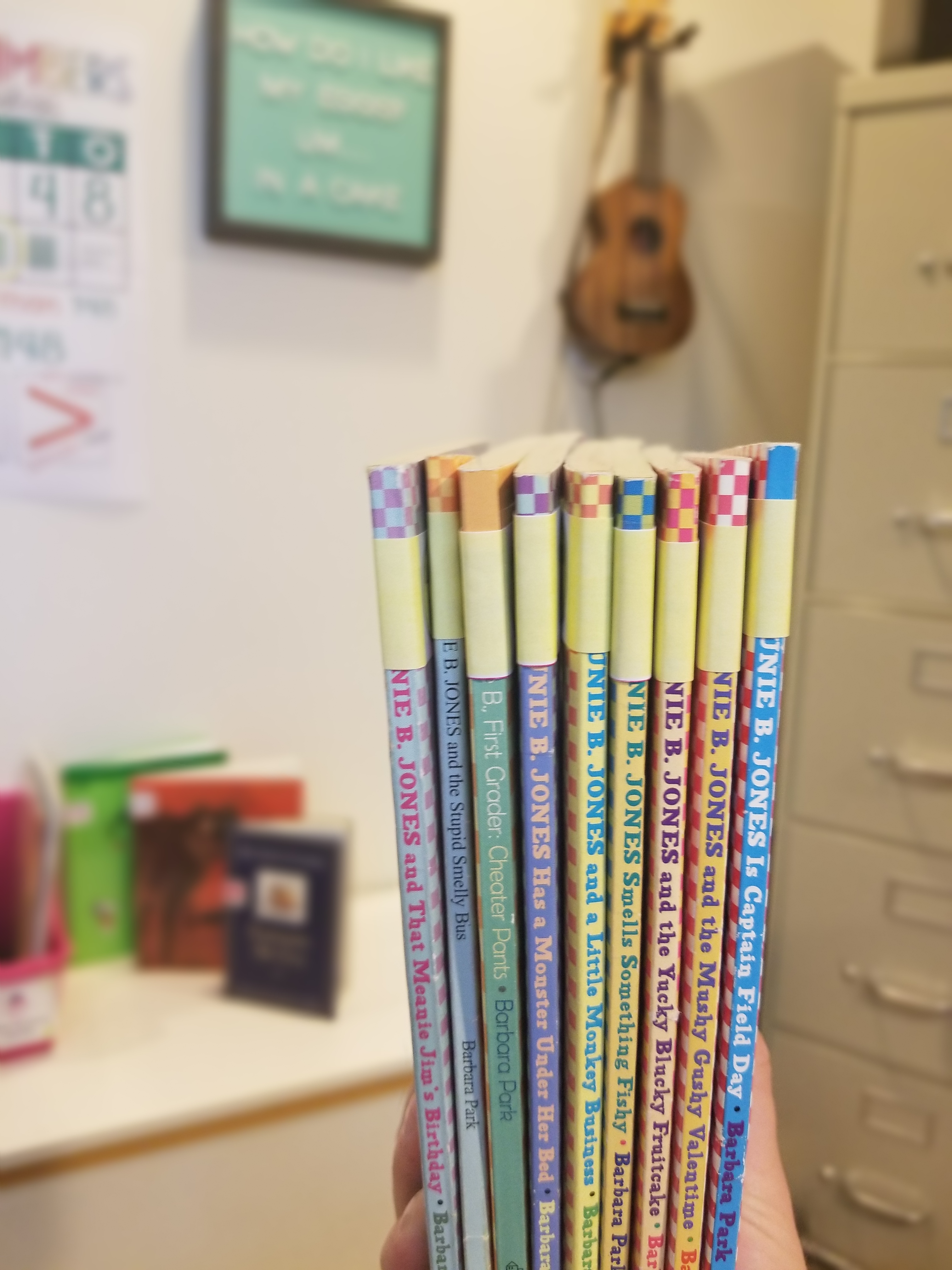
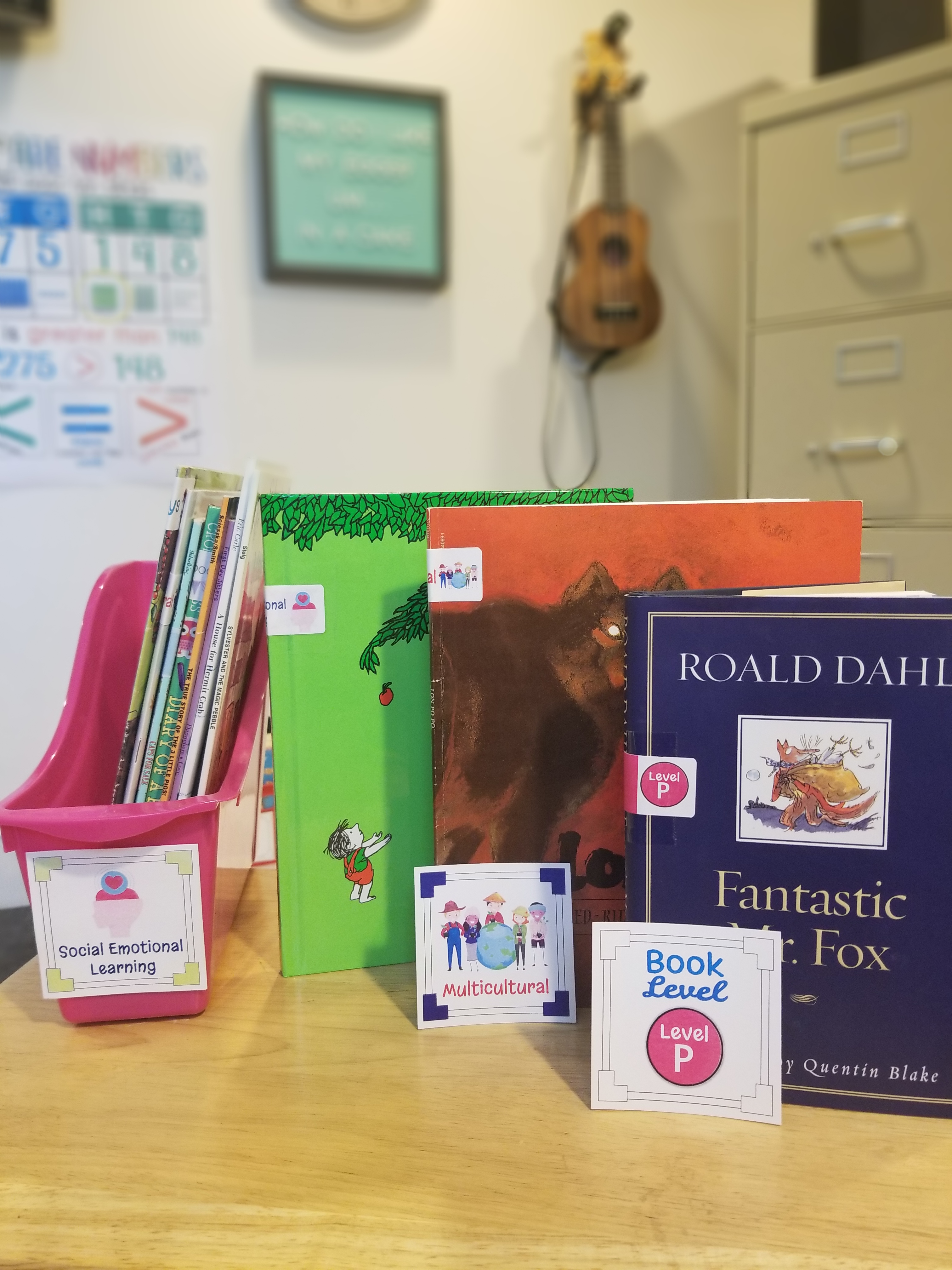
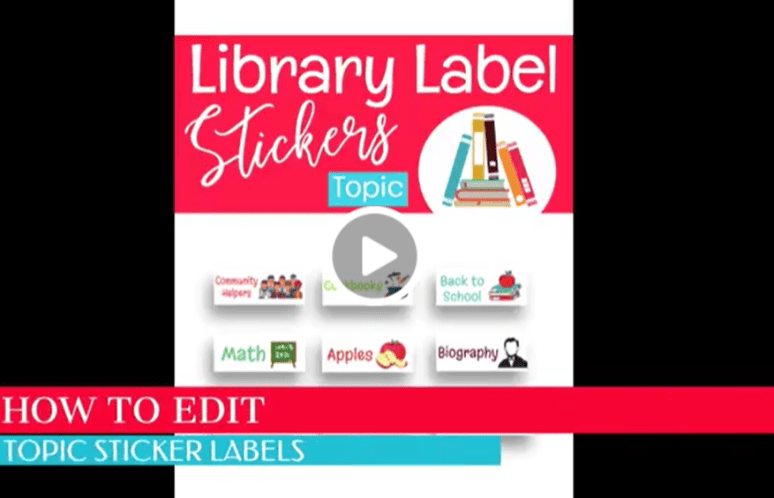
Are you a first year teacher? Or just frustrated with your classroom library organization? You’ve come to the right place then. Learn how to organize your classroom in an easy way for your students to visually see and pick up books; plus help students take ownership and put books away on their own. My secret little weapon is using these library labels. You place stickers on the spine of each book and a matching label on the book bin. This helps students know exactly where to find the book they are looking for and where to put it away again. If book bins are not your thing, you can also place the coordinating book sticker on the shelf itself so students can see the area that those books are found in.
I personally like to have my classroom library organized by both reading level and topic. This way students can find books they are interested in by topic as well as books that are on their reading level. These labels can be purchased either bundled with both topic and reading levels or separately.
The following reading levels are provided:
-Fountas & Pinnell
-Accelerated Reader (AR)
-Lexile
-Developmental Reading Assessment (DRA)
If you want to make any adjustments to the labels feel free. These are EDITABLE and tutorials are provided so you know exactly how to edit them or make your own to match. The color coding for the reading levels can even be adjusted. Edit them to fit your classroom!
You can also choose the size that you want each book bin label to be. They are set to fit one per page, but you can request to print 2 per page, 4 per page etc. The labels pictured were set to print 6 per page. Because they are made 1 per page, this makes it easy to pick and choose what labels you want printed without wasting paper. Whoooo!!
The labels are set to print on avery labels #8160. You will need to purchase these in order for the stickers to align correctly when printing. Here is a link to the labels I purchased to print on.
Once you have everything printed, I would suggest laminating the labels and placing packaging tape over the book spine stickers to ensure durability. Then you are all set. You will love the way this helps to increase functionality in your classroom and increase students’ interest in your library.
Interested in downloading these organizational library labels?? Click below.